Terrorists have abducted a mother and her two children in Nigeria's Kwara State. The kidnapping represents a direct attack on a civilian family and adds to a growing pattern of violence targeting communities outside the nation's traditional conflict zones. Local authorities have confirmed the incident but have not released the names of the victims or the precise location of the attack.
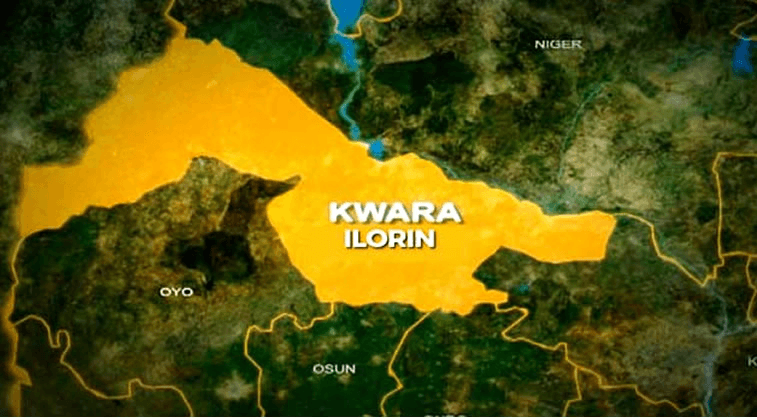
Kwara State, situated in Nigeria's North Central region, has increasingly faced spillover violence from terrorist activities and banditry concentrated further north. This abduction signals that armed groups are extending their operational reach, threatening populations in areas with less entrenched security infrastructure. The psychological impact on local communities is profound, fostering a climate of fear and instability.
The method of the attack—a family kidnapping—aligns with established tactics used by terrorist and criminal syndicates across Nigeria. These groups frequently use abductions for ransom, to exert control over territories, or to instill terror. The targeting of a mother and her children is a particularly brutal strategy designed to maximize psychological trauma and pressure on both the family and local authorities.
National security forces are now tasked with responding to an incident in a region that demands a different operational approach than the counter-insurgency campaigns in the northeast. The response will test the adaptability and intelligence capabilities of security agencies as they confront a diffuse and mobile threat. Success hinges on rapid mobilization and precise intelligence to locate the victims and their captors.
This event occurs within a broader national context of widespread insecurity, where kidnappings for ransom have become a rampant criminal enterprise. The line between ideologically driven terrorism and economically motivated banditry is often blurred, complicating both the security response and negotiations for release. Each successful kidnapping emboldens other groups and funds further criminal operations.
For the residents of Kwara, the abduction shatters any remaining illusion of insulation from the country's security crises. Community leaders are likely to face increased pressure to organize local vigilance groups, a trend seen in other states, though such measures carry risks of escalating communal violence. The state government must now balance urgent security actions with longer-term strategies to prevent further incursions.
The immediate priority for authorities is securing the safe release of the mother and her children. This typically involves a complex process that may include negotiation, intelligence-led rescue planning, or a combination of both. The safety of the hostages is paramount, and the tactics employed will set a precedent for how Kwara State handles future such crises.
State police and relevant security agencies are expected to provide an update on the situation and their operational response within the next 24 hours. The coming hours are critical for establishing contact with the kidnappers and deploying assets to track the movement of the terrorist group. The outcome will significantly influence public confidence in the state's ability to protect its citizens from this expanding threat.