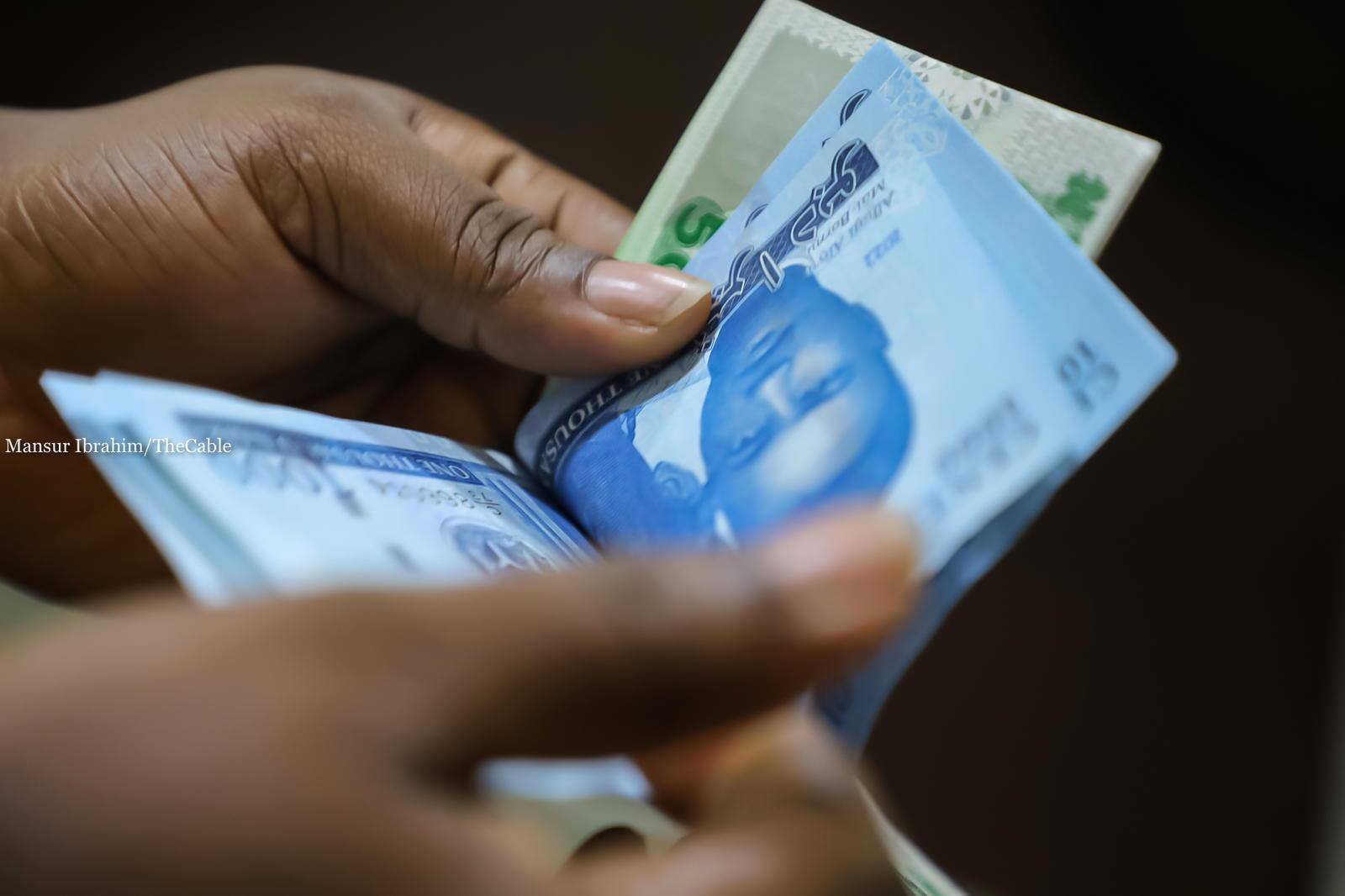
The Nigerian naira has depreciated to a rate of N1,420 per US dollar in the parallel market, according to confirmation from multiple currency traders and financial sources. This valuation represents a significant weakening of the national currency outside the official foreign exchange windows managed by the Central Bank of Nigeria (CBN).
The parallel market, often termed the black market, operates alongside official channels and is frequently viewed as a real-time barometer of currency demand and supply dynamics. Traders in Lagos, Abuja, and other major commercial hubs reported the N1,420/$ rate as the prevailing market price, marking a new milestone in the naira's prolonged volatility.
The Widening Official-Parallel Gap
This development highlights the persistent and widening gap between the official and unofficial exchange rates. Such a disparity creates arbitrage opportunities, complicates economic planning for businesses, and signals a failure of policy measures to unify the foreign exchange market. The CBN has implemented various strategies, including periodic adjustments to the official rate and direct market interventions, but achieving true convergence remains elusive.
Root Causes: Scarcity and Demand
Economic analysts point to structural issues underpinning the naira's weakness. A primary challenge is acute dollar scarcity, driven by relatively lower oil export revenues—Nigeria's main source of foreign exchange—coupled with consistently high demand for dollars from manufacturers, importers, and individuals. This supply-demand imbalance exerts continuous downward pressure on the currency's value.
Impact on Everyday Life
For the average Nigerian, the practical implication is straightforward: a weaker naira translates directly into higher costs. Prices for imported essentials—including food items, medication, raw materials for manufacturing, and even services—are likely to rise further. This feeds directly into the country's already high inflation rate, eroding purchasing power and living standards.
The continued depreciation in the parallel market suggests that without a substantial increase in foreign exchange inflows or a decisive policy shift that restores market confidence, pressure on the naira and the broader economy will persist.