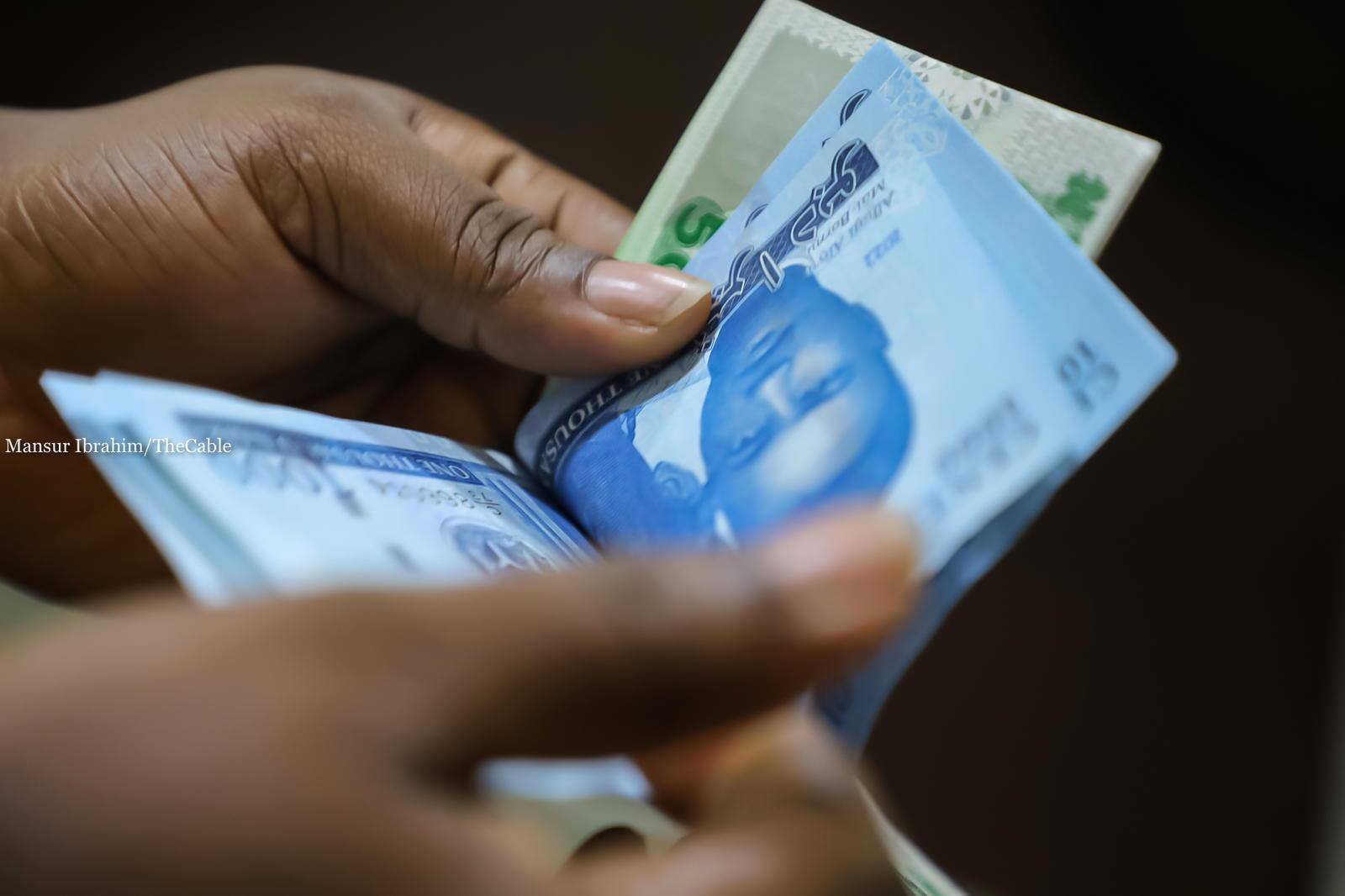
On March 10, 2026, the Nigerian naira traded at N1,426 to one US dollar in the country's parallel foreign exchange market. This figure, verified by multiple sources, represents the latest historic low in the currency's protracted decline.
The Widening Gap and a Dual System
The gap between this unofficial rate and the official window continues to widen, cementing a dual exchange rate system that creates uncertainty and complicates business planning, investment, and international transactions for Nigerian firms and individuals.
Direct Impact on Purchasing Power
The depreciation to N1,426 signifies a severe and immediate loss of purchasing power for Nigerians who rely on the informal market for dollars—a group that includes many small businesses, importers, students paying foreign tuition, and travelers. These individuals now face drastically higher costs for essential goods, services, and obligations priced in dollars.
The Scarcity Factor
The parallel market rate, often called the 'black market' rate, is a critical barometer of street-level confidence in the national currency and the availability of hard currency. The N1,426 rate points to intense scarcity of US dollars outside of official channels. When demand far outstrips the supply available through regulated banks, a significant premium emerges in the parallel market.
Fueling the Inflation Cycle
This persistent devaluation has direct and severe consequences for inflation. Nigeria imports a wide range of goods, from food items to machinery and raw materials. As the naira buys fewer dollars, the cost of these imported goods rises. Manufacturers who require foreign inputs for production see their operating costs surge, a pressure that is often passed on to consumers. This creates a vicious cycle where currency weakness feeds directly into higher prices for everyday items, further straining household budgets across the nation.
Policy Challenges
Monetary authorities have historically employed a series of policies, including currency controls and direct interventions in the official market, to manage the exchange rate. However, the sustained pressure on the naira and the record low in the parallel market indicate these measures have so far struggled to restore stability or meaningfully bridge the gap with the unofficial market. The divergence highlights the ongoing challenge of achieving a stable, unified exchange rate that reflects market realities.