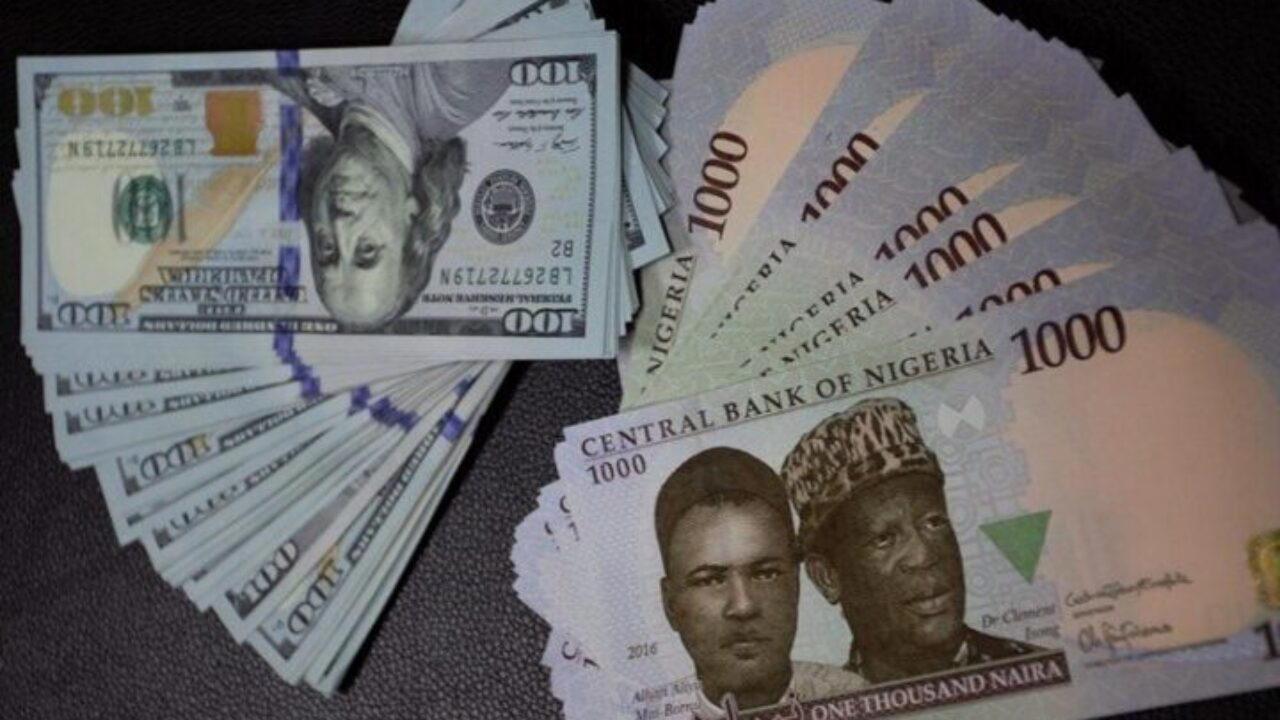
The Nigerian Naira presented a complex financial picture on Wednesday, with verified reports showing contradictory movements in different trading segments. In the parallel market, the currency was reported to have depreciated to N1,380 per dollar from N1,376 per dollar the previous Tuesday. However, in the official Nigerian Foreign Exchange Market (NFEM), data from the Central Bank of Nigeria indicated the indicative exchange rate fell to N1,382.65 per dollar from N1,390 per dollar on Tuesday, which was described as a N7.35 appreciation for the Naira. This created a confusing scenario where one market reported depreciation while the official channel reported an appreciation, highlighting the volatility and segmentation within Nigeria's foreign exchange landscape.
Amidst this economic uncertainty, the margin between the parallel and official markets showed a significant shift, narrowing to N2.65 per dollar from a much wider N14 per dollar gap recorded on Tuesday. This narrowing suggests a potential convergence of rates, which could indicate either increased Central Bank intervention or changing market dynamics. The conflicting reports on the Naira's direction—with one source stating it appreciated for the first time in over two weeks to N1,382.65 per dollar, while another described the rate as having 'fallen' to the same figure—underscore the challenges in interpreting Nigeria's complex currency market data. These movements occur against a backdrop of broader economic pressures facing the nation.
Simultaneously, Northern Nigeria witnessed significant civil unrest as thousands of students and radical youths flooded the streets across major cities on Wednesday. The coordinated demonstrations, which paralyzed major northern capitals including Kano, Kaduna, and Sokoto, were described as a massive show of solidarity with the Islamic Republic of Iran. The protests followed reports of a joint U.S.-Israeli strike in the Middle East, with participants trampling on and denigrating American and Israeli flags in a dramatic display of geopolitical alignment.
The protesters, many identified as members of the Islamic Movement in Nigeria (IMN), transformed university campuses and city centers into a sea of Iranian flags and portraits of Tehran’s leadership. At the Kano rally, student leader Ibrahim Musa was quoted shouting, “We are here to tell the world that the assassination of the Supreme Leader is an attack on every Muslim.” This statement directly links the Nigerian demonstrations to specific events in the Middle East, illustrating how international conflicts can resonate powerfully within Nigeria's domestic political and religious landscape. In response to the unrest, the U.S. Embassy in Abuja took the unprecedented step of canceling all consular appointments and advising American citizens to exercise caution, indicating the seriousness with which foreign missions viewed the protests.
In a separate but related development concerning religious authority and political commentary, the leadership of Jama’atu Izalatil Bid’ah Wa Iqamatis Sunnah (JIBWIS) has suspended prominent cleric Sheikh Alkali Abubakar Salihu Zaria. The suspension prevents him from conducting his annual Ramadan Tafsir in Yobe State following a provocative sermon delivered during his 11th-day session at the Mokas Mosque in Damaturu. The order was issued by the National Chairman of the Council of Ulama, Sheikh Sani Yahya Jingir, demonstrating the clerical establishment's capacity for internal discipline.
Sheikh Alkali’s suspension stemmed from a specific declaration made to his congregation, where he stated, “Our governors today fear President Bola Tinubu much more than they fear Allah.” This criticism of state-level political leadership, framed in religious terms, evidently crossed a line for the JIBWIS leadership. The incident highlights the ongoing tension between religious discourse and political authority in Northern Nigeria, particularly during the sensitive period of Ramadan when sermons reach large audiences. It also reflects the careful navigation required by religious bodies in a politically charged environment.
On a different front, Nigeria's digital economy faces severe threats, with the country experiencing an average of 3,759 cyberattacks per week on its businesses. This alarming statistic places Nigeria in a vulnerable position within the global cybersecurity landscape, where cybercrime costs are projected to reach a staggering $10.5 trillion this year. The scale of this threat is not unique to Nigeria, as more than 70% of South African SMEs report experiencing at least one attempted cyberattack, indicating a continent-wide vulnerability. These figures underscore the urgent need for enhanced cybersecurity measures to protect economic assets and personal data.
In a positive note for Nigeria's tech sector, Founder and Group Managing Director of Interswitch Group, Mitchell Elegbe, has been conferred the 2025 Silverbird Special Achievement Award. The award was presented at the prestigious Silverbird Man of the Year Awards ceremony held on Sunday, March 1, 2026, at Eko Hotel and Suites in Lagos. Elegbe, who founded the digital payments pioneer Interswitch in 2002, is recognized for his longstanding contribution to Nigeria's financial technology landscape. This accolade arrives at a critical time, as the nation grapples with currency instability, social unrest, and cyber threats, reminding observers of the innovative potential within the Nigerian private sector.