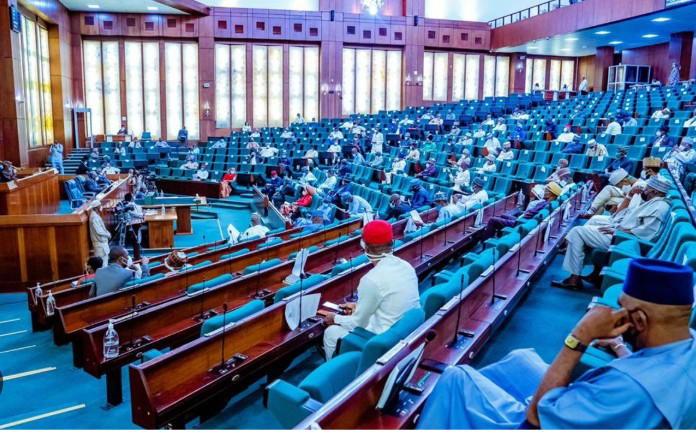
The Nigerian House of Representatives has taken significant steps towards enacting a comprehensive National Decarbonisation Bill, marking a pivotal moment in the country's climate governance. This legislative move aims to build upon the existing Climate Change Act of 2021 by establishing a more robust legal framework for reducing carbon emissions across key economic sectors.
Chairman of the House Committee on Mandatory National Decarbonisation, Rep. Sesi Whingan, confirmed the bill's progress, noting it has passed its first and second readings. A crucial public hearing is scheduled before the month's end, inviting stakeholder input to refine the proposed law. This development underscores Nigeria's commitment to aligning domestic policy with its international climate obligations.
Concurrently, a longstanding territorial dispute between Ondo and Ogun states has escalated. Ondo State's Attorney General, Dr. Olukayode Ajulo (SAN), has publicly presented historical, legal, and geographical evidence asserting Ondo's ownership of the contentious Eba Island. This dispute carries significant implications, potentially affecting resource control and regional administration.
Amidst these developments, the national conversation on police reform and the establishment of state police has regained prominence. As security challenges persist across the nation, the debate over decentralizing policing powers continues to be a critical and divisive issue in governance discourse.
These parallel events—legislative action on climate, interstate conflict, and security sector reform—highlight the complex and multi-faceted nature of Nigerian governance, where long-term policy, resource control, and fundamental security structures are all on the agenda simultaneously.


