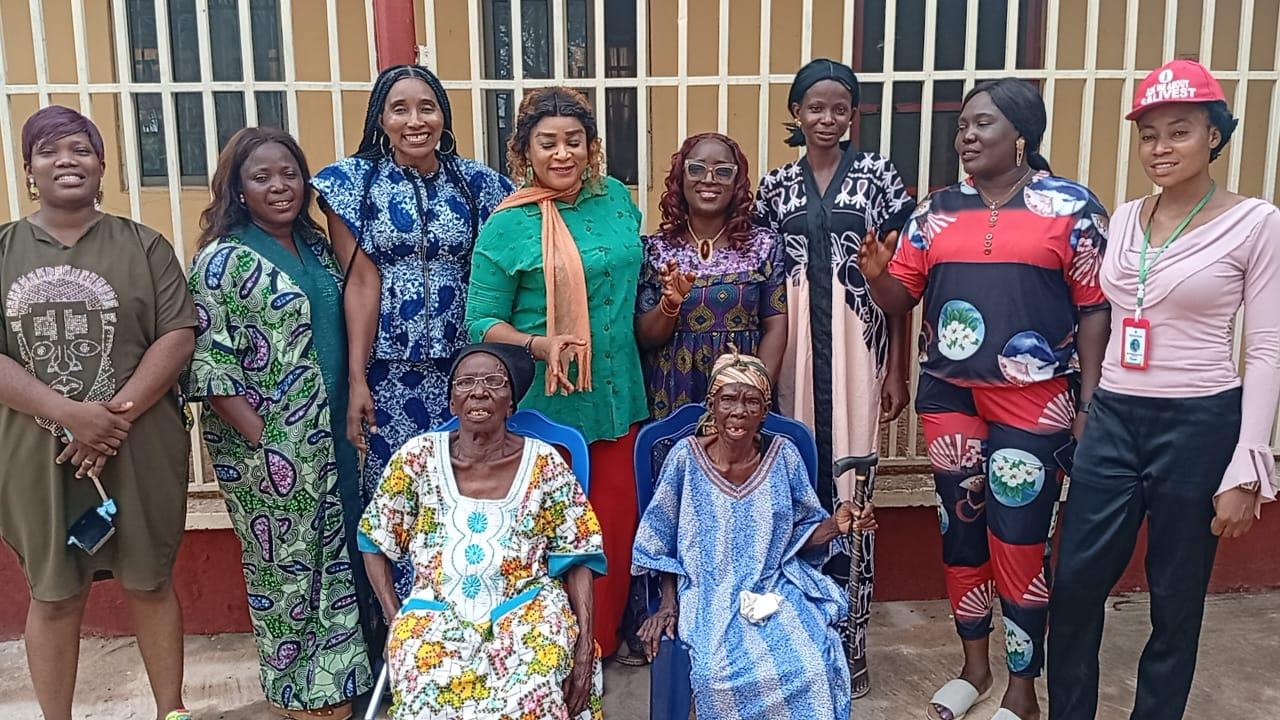
The Abuja chapter of the Nigerian Association of Women Journalists (NAWOJ FCT) marked International Women's Day 2026 with a significant public statement, calling for strengthened equal rights and opportunities for women across Nigeria.
The Call to Action
NAWOJ FCT's advocacy, issued on March 8, focuses on two core pillars: equal rights and equal opportunities. The demand for 'equal rights' encompasses the legal and social entitlements for women, including rights related to property ownership, inheritance, freedom from discrimination, and protection from violence. Simultaneously, the call for 'equal opportunities' stresses the need for equitable access to education, employment, leadership positions, and economic resources.
The Significance of the Messenger
NAWOJ is the professional body representing female journalists in Nigeria. The statement from its FCT chapter, based in the national capital Abuja, carries considerable weight within the country's media landscape. By taking this stance, the group aligns Nigeria's journalistic community with the broader global movement commemorated every March, emphasizing that those who report the news are also advocates for social progress.
International Women's Day in Context
International Women's Day, observed annually on March 8, originated in early 20th-century labor movements and was officially recognized by the United Nations in 1977. It has evolved into a major platform to celebrate women's achievements and highlight persistent gaps in gender equality worldwide. NAWOJ FCT's 2026 advocacy fits into this tradition, using the day's visibility to spotlight issues within the Nigerian context.
The Nigerian Landscape
Nigeria, as Africa's most populous nation, faces significant gender disparities in areas like political representation and economic participation. NAWOJ FCT's statement serves as a reminder that while progress has been made, sustained advocacy from influential professional groups is crucial for accelerating change. Their call reinforces the idea that gender parity is not just a social issue but an economic and national imperative.