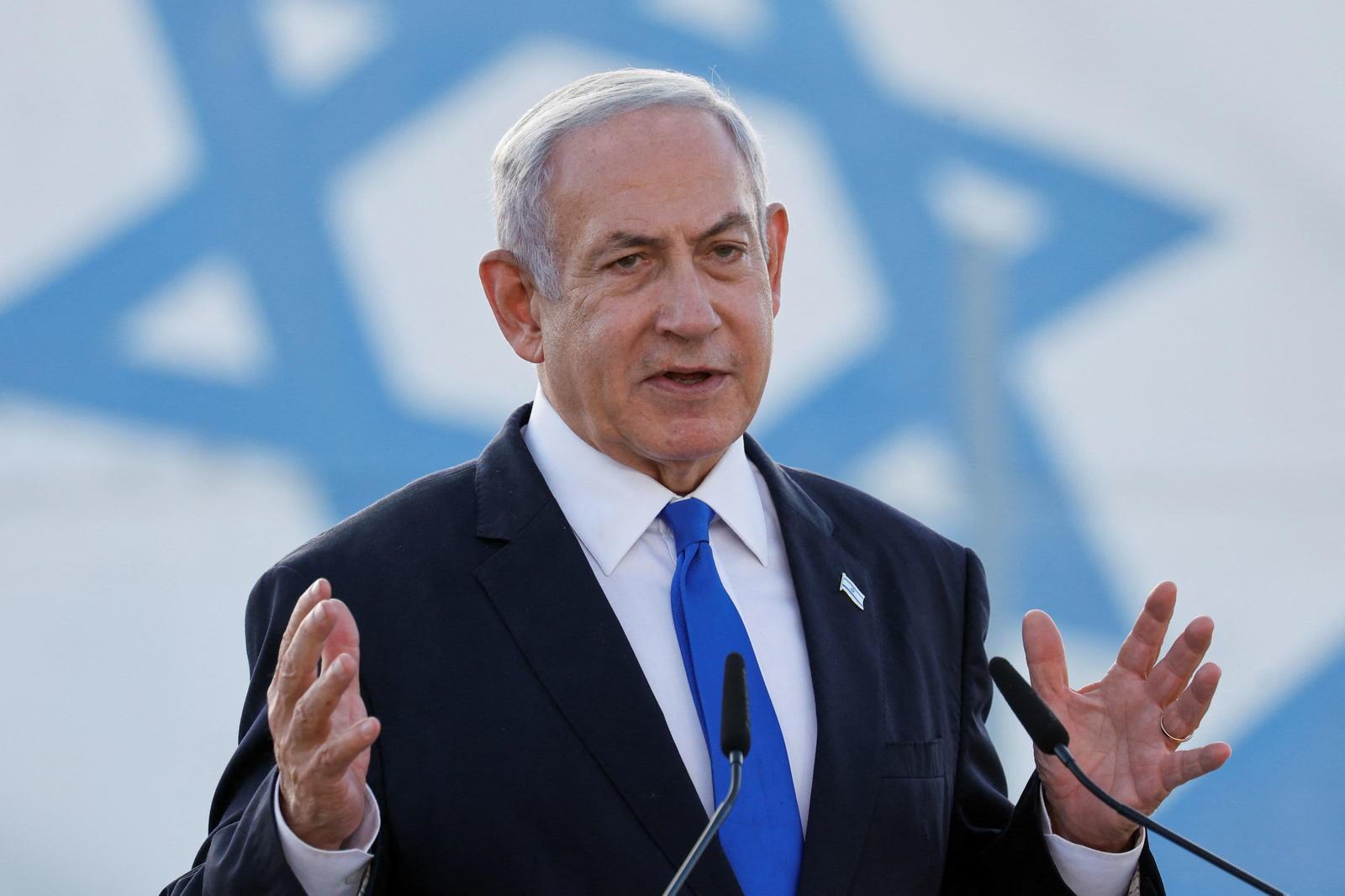
Israeli Prime Minister Benjamin Netanyahu escalated his rhetorical offensive against Iran on March 10, 2026, with a provocative and unsubstantiated claim: that Iran's new leader "cannot show his face in public."
The Statement and Its Target
Delivered during an address on regional security, Netanyahu's statement represents a significant intensification of his public criticism. While he provided no supporting evidence, the remark is widely interpreted as targeting the successor to Iran's aging Supreme Leader, Ayatollah Ali Khamenei. The health and succession of Khamenei have long been subjects of intense international speculation, making Netanyahu's comment a direct challenge to the perceived stability and legitimacy of Iran's future governance.
Timing and Strategic Context
The timing is critical. The allegation comes amid heightened regional tensions and ongoing, fragile diplomatic efforts concerning Iran's nuclear program. Netanyahu has historically positioned himself as a leading global critic of the Iranian regime. This new line of attack—focusing on the leader's public visibility—is a novel addition to his repertoire, which has traditionally centered on nuclear ambitions and regional proxy activities.
Purpose and Analysis
Political and security analysts note that such statements from Netanyahu typically serve a multi-pronged strategy. First, they rally domestic political support by presenting a strong stance against a perennial adversary. Second, they signal resolve to international allies, particularly those concerned about Iran's influence. Third, they apply psychological and diplomatic pressure on Tehran, potentially aiming to create an image of internal weakness or instability.
The Iranian Response (or Lack Thereof)
As of this writing, the Iranian government has not issued an immediate public rebuttal. Historically, Tehran has dismissed similar criticisms from Israeli officials as baseless propaganda designed to undermine national sovereignty. The absence of an immediate counter-narrative allows Netanyahu's claim to circulate unchallenged in the initial news cycle, potentially shaping early international perceptions.
Looking Ahead
The fallout from this statement will be closely watched. The core question is how and when Iran will choose to respond. Will it ignore the provocation, issue a fiery denial, or retaliate with rhetoric of its own? Furthermore, this escalation in language could cast a shadow over any ongoing back-channel communications or complicate future diplomatic engagements. Netanyahu's latest salvo ensures that the narrative of Iranian leadership stability will remain a contentious point in international discourse.