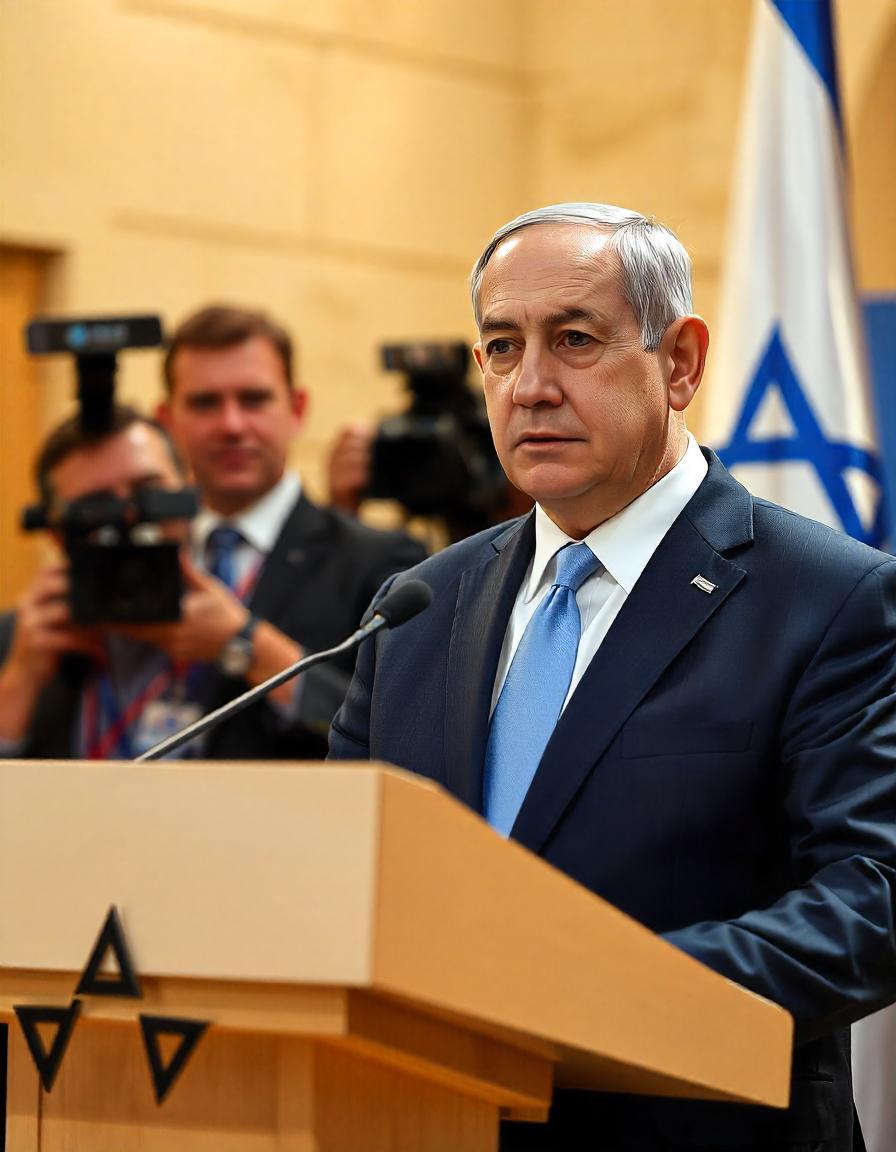
The words crackled across secure communications channels and into the offices of foreign ministries from Washington to Riyadh. In a stark declaration, Israeli Prime Minister Benjamin Netanyahu stated that his country is 'not done yet' in its attacks on Iran. The phrase, brief and unambiguous, landed like a thunderclap in a region already thick with tension, signaling not an end to hostilities but a promise of more to come.
From Shadows to Spotlight
For years, Israel and Iran have waged a shadow war across the Middle East—a conflict of drone strikes, cyberattacks, and assassinations conducted in the grey zones between declared war and uneasy peace. Netanyahu's statement tears at that veil, moving the simmering conflict closer to the light of open acknowledgment. It transforms a series of clandestine operations into a publicly declared campaign, fundamentally altering the diplomatic calculus for every nation with interests in the region.
The Context of Escalation
The immediate context for this warning remains shrouded in the operational secrecy that defines this long-running feud. It follows a pattern of Israeli actions targeting Iran's nuclear program, its military infrastructure in Syria, and its network of proxy militias. Each previous strike was met with denials or vague threats from Tehran, but Netanyahu's latest pronouncement refuses the comfort of ambiguity. He is putting Iran, and the world, on notice.
Domestic and Regional Calculations
Inside Israel, the statement will resonate with a public long conditioned to view Iran as an existential threat. Netanyahu frames the confrontation as a necessary, preemptive defense against a regime that has repeatedly called for Israel's destruction. For his political base, it reinforces an image of steadfast strength. For critics, it raises fears of a prime minister escalating a conflict to serve his own political survival, dragging the nation into a dangerous and unpredictable cycle of retaliation.
In Tehran, the rhetoric will be received as a direct challenge to national sovereignty and a brazen admission of ongoing aggression. How Iran responds—whether through its proxy networks, direct military action, or diplomatic channels—will determine whether this declaration becomes a turning point toward open conflict or another chapter in the long-running shadow war.