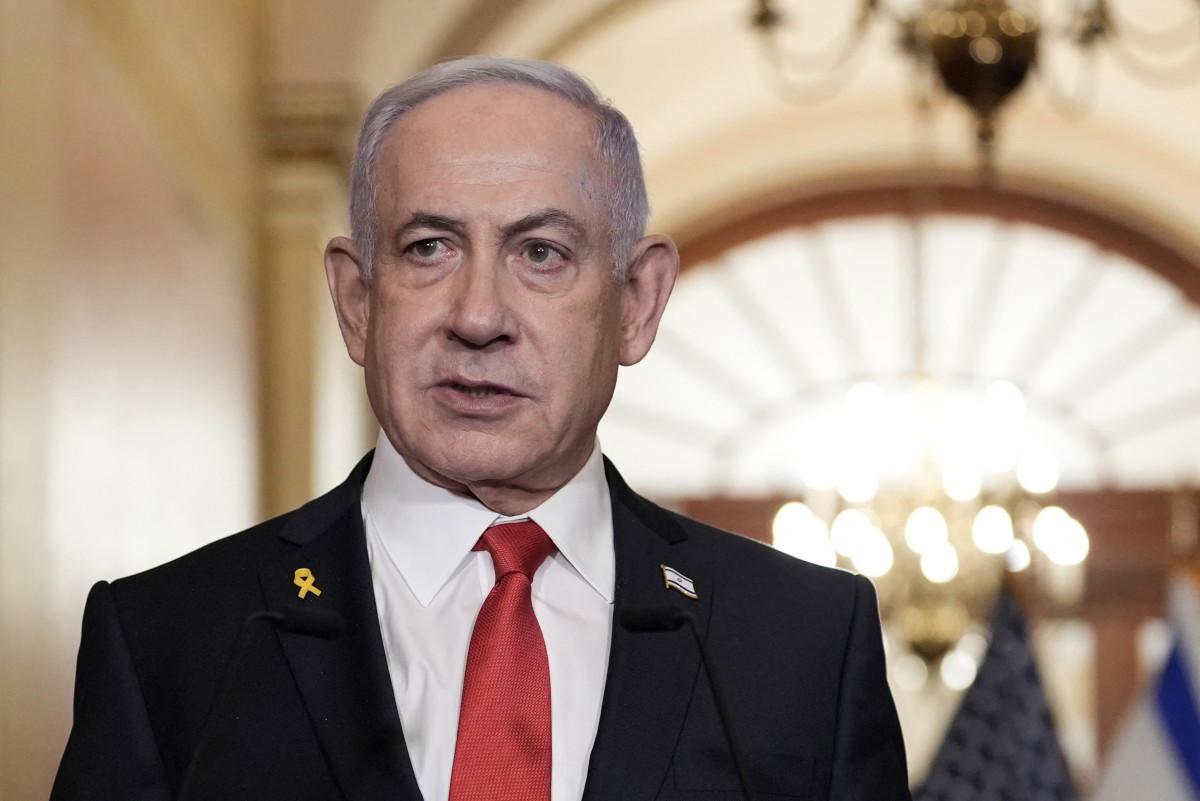
The word hangs in the air, whispered between neighbors buying bread and vegetables. 'Crushing.' For residents of Israel's northern communities, Prime Minister Benjamin Netanyahu's stark declaration that the country is 'crushing' Iran and its proxy Hezbollah is not abstract geopolitical posturing. It is a statement that lands directly in their living rooms, where television news provides a constant backdrop and the memory of sirens is never distant.
The Duality of 'Crushing'
In towns like Kiryat Shmona, the prime minister's language prompts immediate, practical reactions. For families like the Cohens, a strong statement from Jerusalem means a routine check of bomb shelter supplies—canned food, water, batteries. Public debate centers on the word's ambiguity. At bus stops and in shops, people ask: Does 'crushing' mean we are safer today, or does it mean cornering an adversary, potentially making them more desperate and dangerous? There is no consensus, only the persistent hum of vigilance that defines life within range of rocket fire.
The Personal Cost of Public Resolve
The rhetoric aimed at foreign powers carries its heaviest weight for ordinary citizens. A local butcher, whose son is currently serving in a northern unit, embodies the community's tension. "We have to show we are strong," he says, wiping his hands on his apron. "But I wish strength didn't mean my boy has to be there." This sentiment is widespread—a deep desire for lasting security inextricably tangled with the acute personal cost demanded from countless families.
A History of Tough Talk and Lived Experience
This is not the first instance of forceful language from Israeli leaders, but context matters. For those who endured the last major round of conflict—the nights in safe rooms, the shuttered businesses—the word 'crushing' triggers a visceral calculus. It promises an end to threats but also hints ominously at the possibility of a longer, harder, and more violent road to get there. The prevailing local advice is to be prepared, not panicked. Yet, for parents raising children in a potential warzone, the line between the two is perilously thin.
The mood in these communities is a key barometer of the regional temperature. While official statements project strength to external audiences, the domestic reception is layered with pride, fear, and weary pragmatism. The real-world impact of 'crushing' will be measured not in headlines, but in the daily rhythms of life along the border.