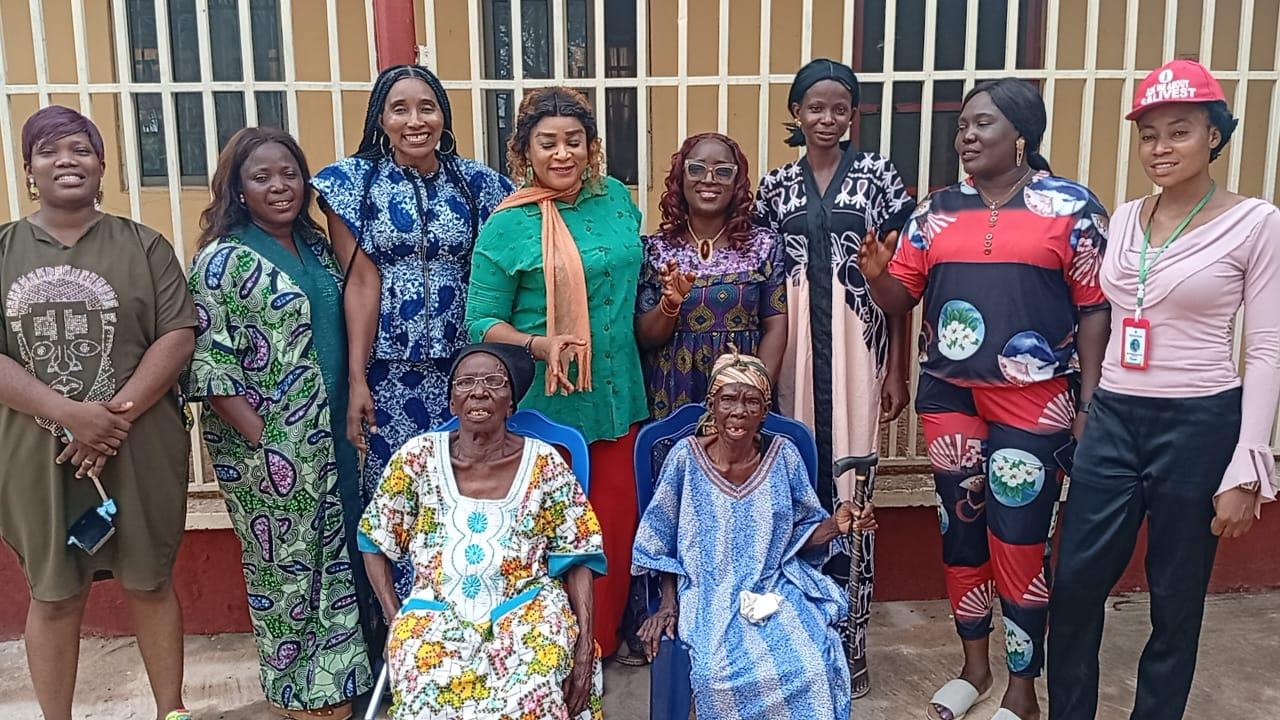
You hear it all the time at the market or waiting in line at the courthouse: 'When will we see more women behind the bench?' Today, on the International Day of Women Judges, that question got a formal push from the National Human Rights Commission. The NHRC is asking for more female representation in our courts. It's a call that resonates with many families who feel the justice system should look more like the people it serves.
For a lot of us, this isn't just about numbers on a page. It's about the cases that get heard differently. It's about a mother feeling understood in a family court, or a young woman seeing a path for herself in law. The NHRC's statement taps into that everyday hope. They're saying our courts need that perspective to be truly fair and trusted by everyone in the community.
Right now, if you walk into most courtrooms, the person in the big chair is often a man. The NHRC pointing this out on an international day gives the issue a bigger spotlight. It connects our local conversations to a global one about women in power. It makes people here feel like their quiet concerns are being shouted from a rooftop, finally.
Why does this matter on the ground? People talk about trust. They say, 'How can a court understand my life if it's only seen through one lens?' More women judges could change the feel of justice for regular folks. It could make the system seem less distant and more connected to the realities of raising kids, running a small business, or dealing with harassment at work.
The NHRC's call isn't coming out of nowhere. It's a response to the slow pace of change that many have grumbled about for years. In community meetings, the topic comes up whenever people discuss fairness. The commission is essentially putting an official stamp on a very common kitchen-table conversation. They're saying the community's instinct is right: diversity strengthens justice.
This push for more women on the bench is about the future. It's for the daughters in our schools who might dream of a career in law. Seeing someone like them in a position of authority makes that dream seem possible. The NHRC's statement is a signal to those girls, and to the system that trains them, that the door should be open wider.
What happens next? The NHRC has made its position clear on this symbolic day. The real work begins in the selection committees and appointment processes. People here will be watching to see if this call leads to actual change or just stays as words in a press release. The community's measure of success will be simple: seeing more women's names on the courtroom doors.
The International Day of Women Judges will pass, but the need for action won't. The NHRC has laid down a marker. For families, workers, and everyone who relies on the courts, the next step is turning this call into reality. The hope is that by this time next year, the conversation at the bus stop will be about a new appointment, not the same old request.