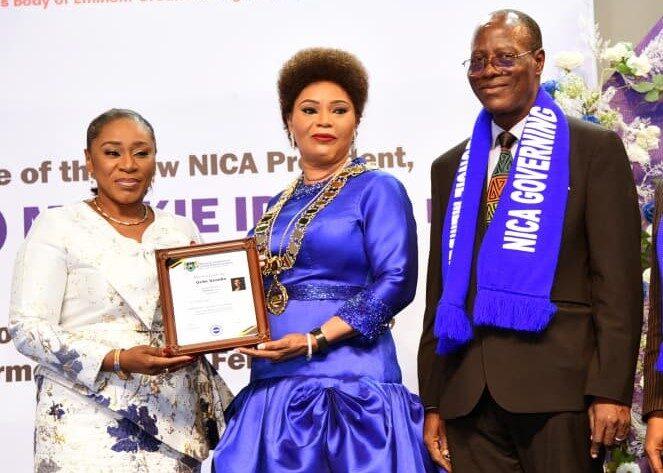
Down at the market, Mama Nkechi is still trying to figure out how to get a small loan to fix her stall's leaking roof. 'They talk about credit scores and bank accounts, but for us, it's just about getting by,' she says. That daily struggle is exactly why the news about Uche Uzoebo matters to people here. The Nigerian Institute of Credit Administration, or NICA, has just given him the title of fellow. It's not just a fancy certificate for his wall. For folks in this community, it's a sign that someone is paying attention to the money problems regular people face every single day.
This fellowship isn't handed out for nothing. It means Uzoebo has deep knowledge about credit systems—how loans work, how to build a good borrowing history, and why that's important. In a place where many work in the informal sector, that kind of expertise feels distant. Most people here deal in cash, not credit reports. But NICA's move suggests a bridge is being built between those formal systems and the realities of street-side businesses and market traders.
The bigger picture here is what NICA calls a 'push for credit literacy.' That's a technical term for teaching people how to borrow money wisely and understand the rules. For a young person trying to buy a motorbike for okada business, or a family saving for school fees, this knowledge is power. Without it, people can fall into debt traps with high-interest lenders. Uzoebo's recognition puts a local face on a national effort to change that.
Then there's the other part: 'financial inclusion.' That's the goal of bringing everyone into the formal banking system. Right now, many in our community keep their savings at home or with a trusted market leader. Being 'included' means having a safe bank account, being able to get a fair loan to grow a business, and building a financial history. It's about more than just having a card; it's about having a chance.
So why Uche Uzoebo? While the claims don't list his specific work, NICA doesn't make someone a fellow lightly. It likely means he's been on the ground, in communities like ours, explaining these concepts in plain language. He's probably the kind of person who can translate bank jargon into advice that makes sense for a tailor or a farmer. His new title gives that grassroots work an official stamp of approval.
What does this mean for the woman selling plantains or the mechanic in the workshop? In the short term, maybe not much changes tomorrow. But it signals a direction. It means institutions are starting to value the experts who can connect complex finance to everyday life. The hope is that this recognition leads to more workshops in local halls, more clear information in our languages, and more tools designed for how we actually live and work.
The real test will be what happens next. Will this fellowship translate into practical programs here? People need to see changes—like simpler ways to open accounts at local microfinance banks, or community classes on how to check your credit status for free. The title is a step, but the community will measure success by whether it makes it easier to get a small, fair loan when you need it.
For now, the word is out. A local son has been recognized for work on the very issues that keep people up at night—how to manage money and access services. It's a nod to the idea that financial understanding shouldn't be a luxury for the wealthy in big cities. The next chapter is about turning that recognition into real tools and trust, so that the push for inclusion reaches the last person in the queue at the market.