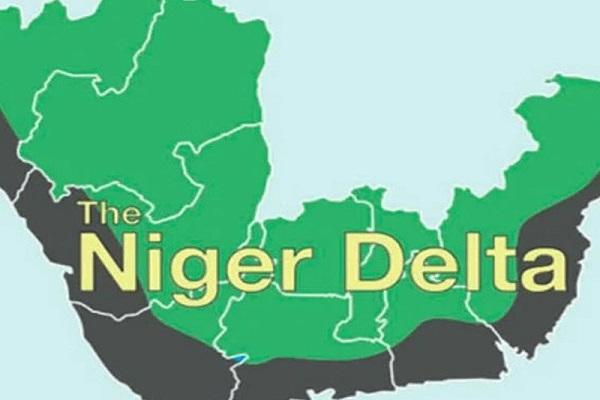
A significant coalition of Niger Delta ethnic youth leaders has issued a formal appeal to President Bola Tinubu, calling for the decentralization of lucrative pipeline protection contracts. The move, spearheaded by the Coalition of Niger Delta Ethnic Nationalities, represents a direct challenge to the current centralized security model and seeks a fundamental restructuring of how Nigeria safeguards its critical oil infrastructure.
The Unified Front
The appeal carries the weight of five major ethnic youth councils, whose presidents jointly endorsed the statement. The signatories include:
- Alaye Theophilus, President of the Ijaw Youth Council Worldwide
- Oghenekaro Edor, President of the Coalition of Isoko Youth Groups
- Emmanuel Bieh of the Ogoni Federated Youth
- Lord Marmin Knight of the Ibom Youth Council
- Ibiso Harry, Chair of the Ijaw Youth Council's Eastern Zone
This unified stance from groups representing core Niger Delta communities underscores the regional consensus behind the demand.
The Case for Decentralization
The coalition's core argument is that the existing model—where pipeline security contracts are typically awarded to private firms with limited local ties—has failed. They cite persistent, rampant oil theft and pipeline vandalism that cost Nigeria billions of dollars in lost revenue annually.
Their proposed solution is a decentralized system that actively involves local communities and organizations from the Niger Delta region. Proponents believe that local actors possess indispensable knowledge of the terrain and a direct stake in the economic stability of their environment, making them more effective and sustainable guardians of the infrastructure.
Implications and Challenges
If adopted, decentralizing pipeline security would mark a major policy departure for the Tinubu administration. It would transfer significant security and economic responsibilities to regional actors, potentially addressing long-standing community grievances related to exclusion and economic marginalization.
However, such a shift would not be without challenges. Critics may raise valid concerns about accountability, the potential for fragmenting federal authority, and the risk of empowering local militias. The administration will need to carefully design a framework that harnesses local capabilities while maintaining oversight and national standards.
The direct appeal from this powerful coalition places the issue firmly on the presidential agenda, setting the stage for a critical decision on the future of security in Nigeria's oil-rich heartland.


