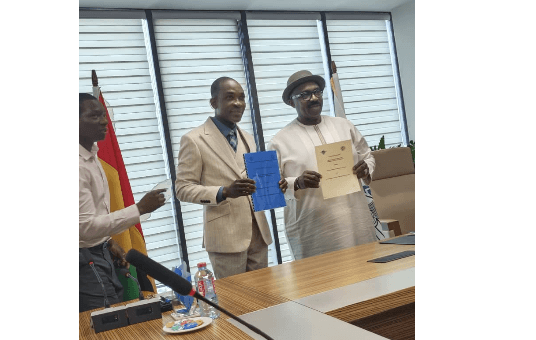
In a significant move for regional aviation security, Nigeria and Ghana have formalized a Search and Rescue (SAR) agreement. The pact establishes a cooperative framework to manage aircraft emergencies over the Gulf of Guinea, a body of water renowned as a major aerial gateway connecting West Africa to international destinations.
What the Agreement Means
Search and rescue in aviation refers to the organized, international effort to locate and assist aircraft in distress. This new agreement between the two West African neighbors means their respective aviation authorities and military assets—such as patrol aircraft, ships, and specialized personnel—can now be mobilized jointly under pre-agreed procedures. The primary goal is to eliminate bureaucratic delays, shaving precious minutes off response times when lives are on the line.
Why the Gulf of Guinea Matters
The focus on the Gulf of Guinea is strategic. This vast maritime region is a congested flight path for both domestic travel and long-haul routes to Europe and the Americas. Historically, coordinating a rescue mission over water between different nations involved complex diplomatic and logistical hurdles. This pact directly addresses that challenge, creating a more seamless safety net.
Impact on Passengers and Operations
For passengers, the agreement translates to a simple assurance: if an incident occurs, the nearest capable rescue team from either nation can be dispatched without waiting for lengthy cross-border permissions. Operationally, the deal is expected to cover detailed communication protocols, the establishment of joint training exercises, and formal resource-sharing mechanisms. By pooling their capabilities, Nigeria and Ghana aim to create a more robust and effective emergency response system than either country could sustain independently.
This cooperation marks a tangible step forward in elevating regional aviation safety standards and fostering greater trust in West Africa's air travel infrastructure.