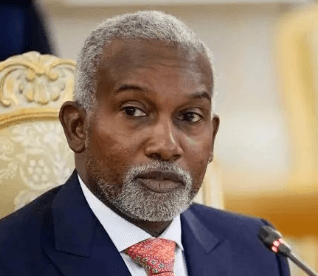
In a significant statement on March 10, 2026, Nigeria's Foreign Minister, Ambassador Yusuf Tuggar, articulated a clear shift in the nation's diplomatic compass. The new directive calls for a foreign policy posture that fundamentally safeguards Nigerian sovereignty, placing national interests and decision-making autonomy at the forefront of all international engagements.
A Move Towards Strategic Autonomy
This announcement represents a deliberate move towards what policy analysts term 'strategic autonomy.' The emphasis suggests a conscious distancing from diplomatic approaches that could be perceived as compromising Nigeria's independent stance on global issues. According to the minister's statement, the core principle is to ensure that foreign engagements—whether with global powers, regional bodies, or international financial institutions—are conducted primarily on terms that benefit Nigeria.
Implications for Global and Regional Relations
The call for a sovereignty-centric diplomacy arrives at a pivotal moment, as nations worldwide reassess their global alliances and economic dependencies. For Nigeria, Africa's largest economy and a regional leader, asserting sovereignty involves a complex balancing act. It requires maintaining strategic partnerships while fiercely protecting domestic policy space. This recalibrated approach is poised to directly influence key areas of international negotiation, including trade agreements, security cooperation frameworks, and climate finance deals, where Nigerian national interests will now be the paramount filter.
Navigating the New Doctrine
Implementing this posture demands a nuanced and sophisticated understanding of Nigeria's leverage and vulnerabilities on the world stage. The foreign ministry will face the task of navigating established relationships with traditional partners while simultaneously exploring new alliances that align with this sovereign-first doctrine. In practice, this could translate into more selective engagement with broad multilateral initiatives and a renewed emphasis on crafting bilateral agreements meticulously tailored to Nigeria's specific economic and security needs.
The African Context
Perhaps most consequentially, this policy shift will reshape Nigeria's role within continental and regional bodies like the African Union (AU) and the Economic Community of West African States (ECOWAS). As a founding and influential member of these organizations, Nigeria's sovereign-first stance may lead it to advocate for a bloc-wide strengthening of African agency, potentially altering the dynamics of collective decision-making and partnership negotiations with external actors.
The full ramifications of this foreign policy evolution will unfold in the coming months and years, as Nigeria begins to apply this sovereignty filter to its diplomatic portfolio, setting a new course for its engagement with the world.