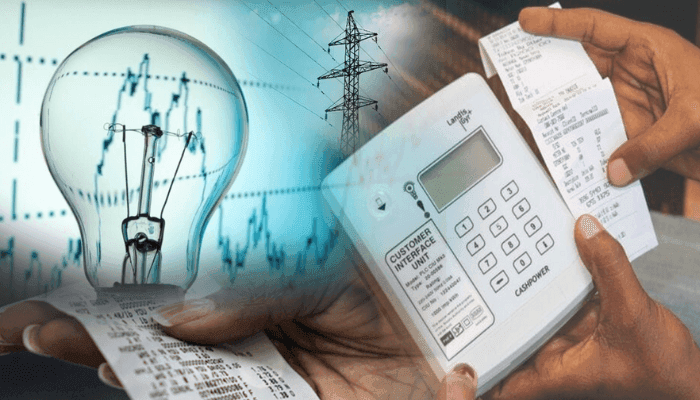
The Nigerian government has settled a N501 billion bond obligation to the Nigerian Bulk Electricity Trading Plc, a move officials describe as clearing the past to power the future. This massive financial clearance, confirmed on March 10, 2026, addresses a legacy debt that has burdened the electricity market for years. The payment directly impacts the Bulk Trader's ability to fulfill its core mandate of guaranteeing payments to power generation companies.
Records show the Nigerian Bulk Electricity Trading Plc, known as NBET, acts as the financial buffer between generation companies and the national grid. Its inability to meet payment obligations due to the outstanding bond had created a liquidity crisis within the sector. This settlement, therefore, is not merely an accounting exercise but a critical intervention to restore confidence among power producers and investors.
For years, the N501 billion bond represented a significant contingent liability on the federal government's balance sheet. Its resolution removes a major obstacle that had deterred private investment in new generation capacity and infrastructure upgrades. Analysts point to this clearance as a prerequisite for any meaningful attempt to increase Nigeria's chronically insufficient power supply.
The bond's origins trace back to NBET's establishment as a creditworthy off-taker, designed to assure generators of payment for the electricity they supplied. When government guarantees backing NBET's obligations went unfunded, the bond became a symbol of the sector's financial dysfunction. Its clearance now theoretically frees up capital for NBET to operate as originally intended.
Evidence suggests the debt settlement will have immediate ripple effects across the electricity value chain. Generation companies that have long operated with delayed payments can anticipate more regular cash flow. This improved liquidity is expected to facilitate necessary maintenance on existing plants and potentially fund incremental capacity increases.
However, the bond clearance alone does not solve the power sector's deep-rooted structural issues. Challenges remain, including inadequate transmission infrastructure, rampant electricity theft, and a tariff system that does not fully reflect the cost of service. The government's next test will be implementing complementary reforms to ensure the financial benefits of this debt settlement translate into tangible grid improvements.
Officials have framed the N501 billion payment as a foundational step toward a more functional and investable power market. By directly addressing a legacy liability, the administration aims to signal a break from past financial practices that crippled the sector. The move is strategically timed to precede anticipated efforts to attract fresh capital for generation and distribution networks.
The critical forward-looking question is how NBET will utilize its restored financial standing. Sector watchers will monitor whether the Bulk Trader can now consistently meet its payment obligations to generators, thereby breaking the cycle of debt that has plagued Nigeria's quest for stable electricity. The next phase involves concrete actions by NBET and regulatory bodies to demonstrate that this financial clearance has indeed powered a new future.


