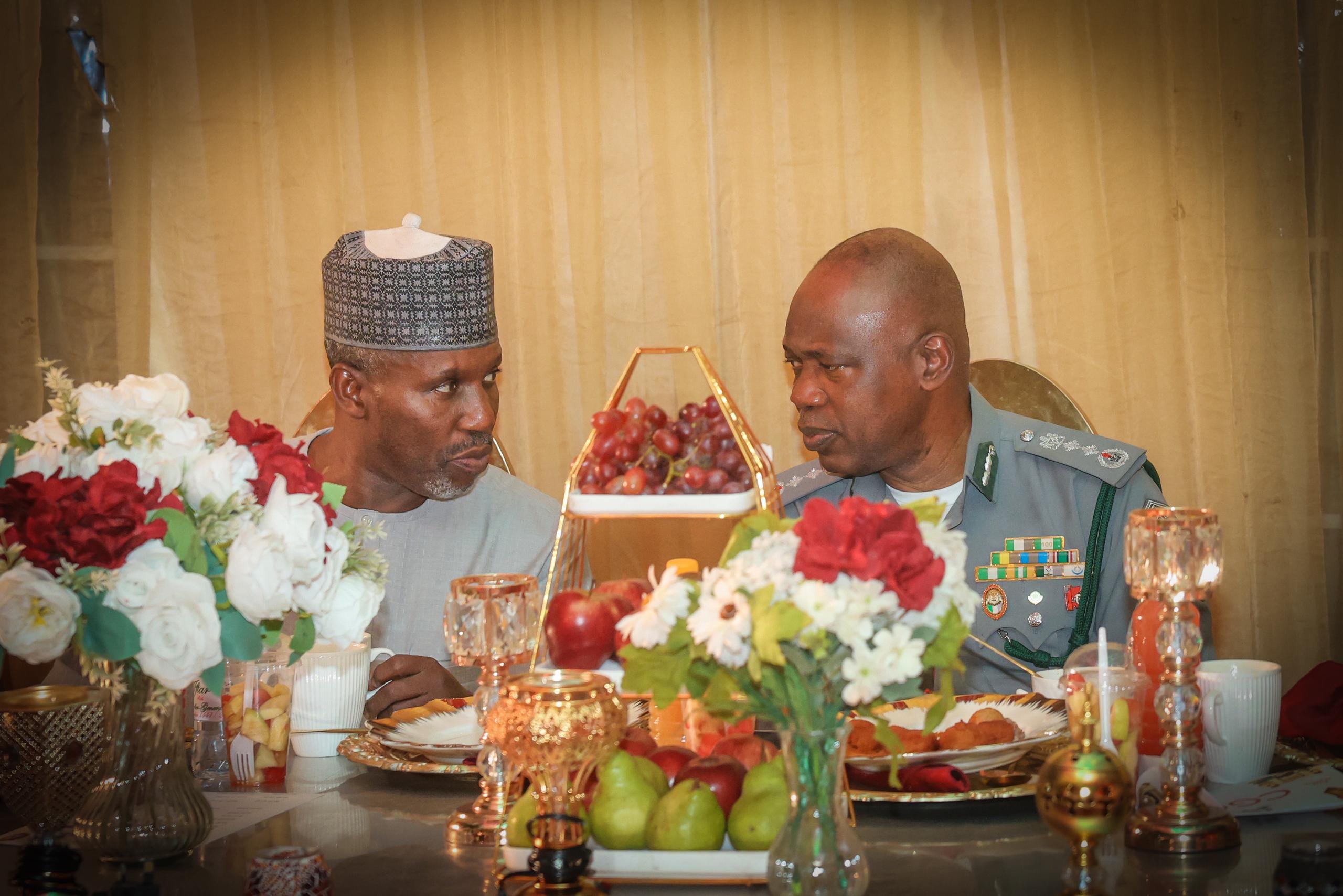
In a notable departure from its typical enforcement-focused public image, the Nigeria Customs Service (NCS) under Comptroller-General Adewale Adeniyi recently hosted a Ramadan iftar dinner with a clear message: national unity and service. The event represents a deliberate soft-power pivot, using the platform of a shared religious meal to address broader societal cohesion.
From Border Control to Community Building
The iftar gathering served as more than a ceremonial meal. Adeniyi specifically called for unity and a renewed commitment to serving the nation, framing the customs service's role as integral to Nigeria's larger national project. This shift in tone is significant for an agency frequently in headlines for seizures and border security operations.
The Strategic Timing of the Outreach
Ramadan, a period of reflection and community for Muslims, provided a strategic backdrop for this outreach. By engaging during this important religious period, the NCS signals it operates not in isolation but as part of the societal fabric it serves. The move attempts to bridge the perceived gap between government institutions and the public.
Addressing Division Through Shared Purpose
In a country periodically grappling with regional and religious tensions, Adeniyi's appeal for common purpose carries particular weight. The initiative implicitly questions whether such community-focused outreach can improve public perception of government agencies traditionally viewed through a lens of authority and control.
Symbolism and the Path Forward
While not indicating immediate policy changes, this outreach represents a calculated investment in symbolism and relationship-building. By choosing the iftar setting, Adeniyi attempts to reshape conversations around the NCS from "us versus them" to collective national responsibility. The success of this soft-power approach may influence how other government agencies consider public engagement beyond their formal mandates.


