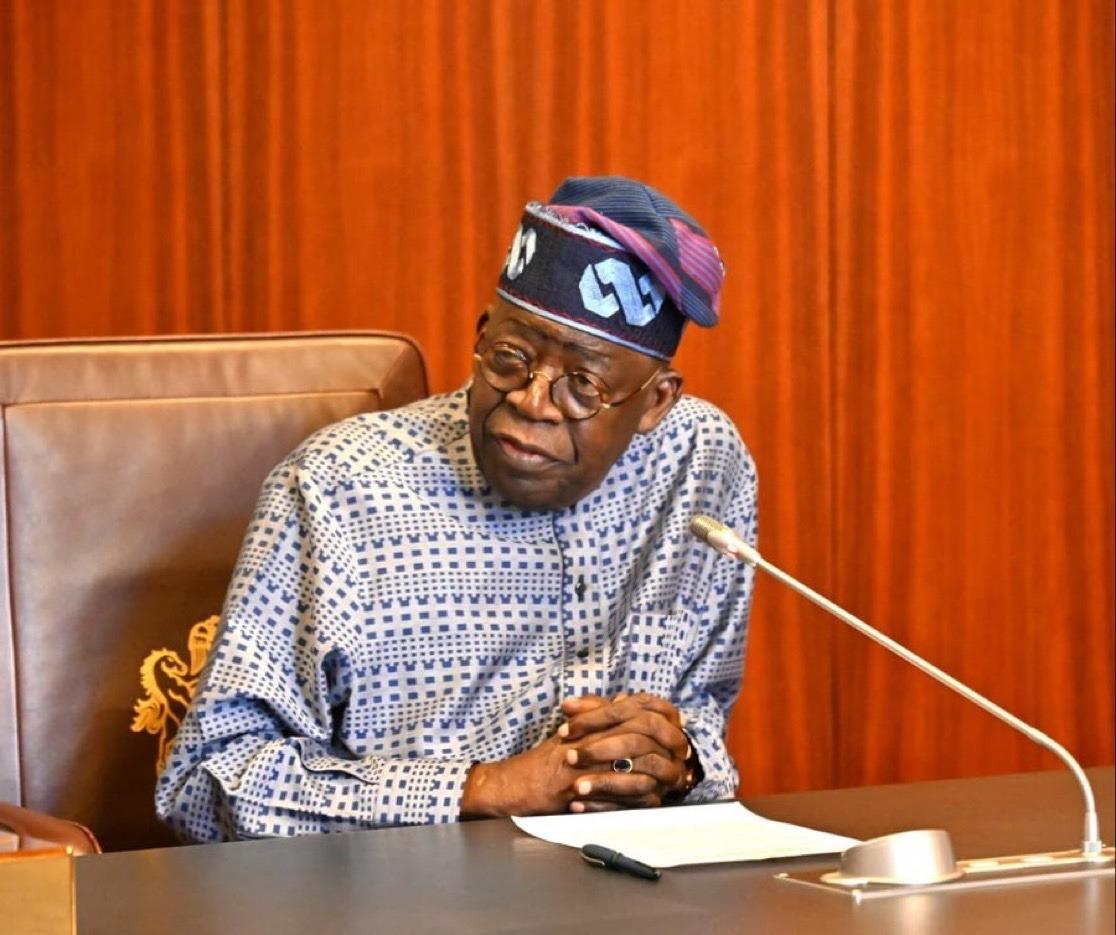
President Bola Tinubu has ordered the immediate nationwide deployment of 100,000 compressed natural gas vehicle conversion kits. This directive is a direct response to the potential for severe fuel price volatility and supply disruptions caused by escalating tensions in the Middle East. The government aims to shield Nigerian consumers and the broader economy from the fallout of international oil market instability.
This large-scale initiative seeks to accelerate a strategic pivot from imported petrol to domestically sourced compressed natural gas for transportation. Nigeria holds some of the world's largest natural gas reserves, offering a more secure and potentially cheaper alternative fuel source. By converting vehicles to run on CNG, the administration intends to reduce the nation's vulnerability to global crude oil price shocks that often follow geopolitical conflicts.
The deployment of conversion kits represents a critical component of the government's broader energy transition agenda. It operationalizes a policy designed to leverage national resources for greater economic insulation. Successfully implementing this plan could significantly alter Nigeria's energy consumption profile and reduce its import bill for refined petroleum products.
Officials have framed the directive as a necessary preemptive measure to maintain national stability. The logic is that by proactively converting a substantial portion of the vehicle fleet, the country can mitigate the impact of any future spike in petrol prices. This approach prioritizes energy security and price predictability for Nigerian households and businesses over reliance on the unpredictable international market.
The scale of the rollout—100,000 kits—indicates an ambitious attempt to create rapid market penetration for CNG vehicles. Such a volume suggests coordinated logistics involving distribution networks, certified installation centers, and possibly financing mechanisms to encourage public uptake. The effectiveness of the policy will hinge on the speed and efficiency of this deployment across all states.
For the average Nigerian, the program promises the prospect of lower fuel costs if natural gas prices remain stable and decoupled from international crude. It also introduces a new layer of infrastructure development, requiring the parallel expansion of CNG refueling stations nationwide. The conversion process itself will become a new sector, generating technical jobs for mechanics and installers trained in the technology.
This move aligns with global trends where nations rich in gas are incentivizing its use in transport to cut emissions and enhance energy independence. For Nigeria, the immediate driver is economic defense rather than environmental policy, though reduced emissions from vehicles could be a secondary benefit. The directive places the government in a central role as the catalyst for a major shift in the country's energy ecosystem.
The Presidential directive sets in motion a complex logistical operation with a clear deadline for action. The coming weeks will reveal the implementation framework, including which agencies will lead the distribution and how citizens can access the conversion kits. Monitoring the public adoption rate and the actual impact on transport costs will be the next critical phase for this energy security strategy.