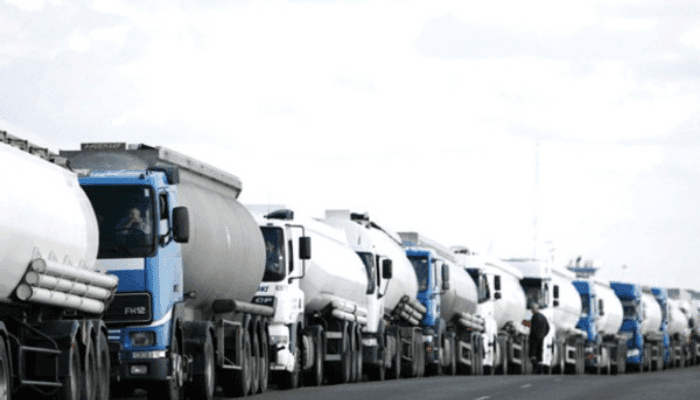
The Nigerian government has implemented a significant policy shift, placing a freeze on the issuance of new licenses for the importation of petrol (gasoline). This move signals a clear intent to prioritize domestic refining capacity and reduce the country's long-standing dependence on imported fuel.
The Import Paradox
For decades, Nigeria has presented an energy paradox: as one of Africa's top crude oil producers, it has simultaneously relied on imports for the majority of its refined petroleum products. This reliance has made the nation vulnerable to global price fluctuations and foreign exchange pressures. The new license freeze is a direct attempt to "flip the script" and align production with consumption.
Policy Mechanics: A Cap, Not a Ban
It is crucial to note this is not an immediate, total ban on petrol imports. Companies holding existing import licenses can continue their operations for the time being. The policy acts as a cap on the number of importers, effectively halting new entrants into the market. This creates a protected environment for Nigeria's domestic refining output to gain market share.
Clearing the Runway for Local Giants
The policy is strategically timed with the anticipated full-scale operation of major refinery projects, most notably the colossal Dangote Refinery. With a designed capacity exceeding Nigeria's total petrol demand, the Dangote plant represents a potential game-changer. The import license freeze helps ensure a ready market for its output, addressing a key concern for large-scale infrastructure investors.
Economic Implications and Questions
This is a classic use of policy to steer industrial development. By restricting the import channel, the government aims to provide stability and guaranteed offtake for local refiners, encouraging further investment. However, it raises important questions about market competition and consumer prices. Will a reduction in import sources lead to price stability, or could it potentially limit competitive pressure? The impact on the pump price for everyday Nigerians remains the most closely watched outcome of this bold strategic pivot.


