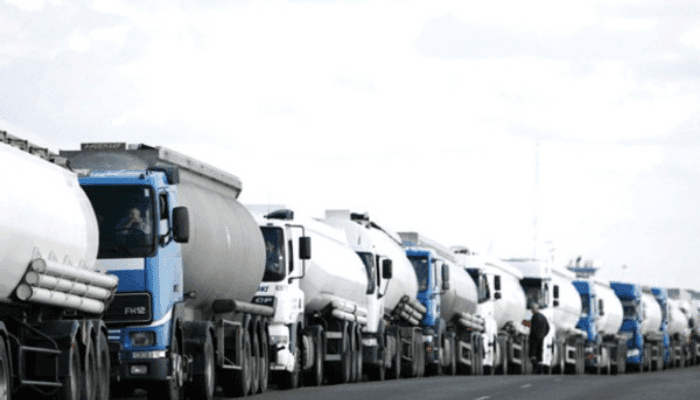
The Nigerian government has taken a decisive step to reshape its fuel market by halting the issuance of new licenses for importing petrol, also known as gasoline. This policy aims to prioritize the supply of fuel from Nigeria's own refineries, which are ramping up production. For decades, Nigeria, a major oil producer, has paradoxically relied on importing refined petrol to meet domestic demand, a costly and inefficient system. The new directive seeks to change that fundamental dynamic.
To understand this move, we need to look at Nigeria's long-standing fuel dilemma. The country is Africa's largest oil producer, extracting millions of barrels of crude oil daily. However, its state-owned refineries have been plagued by decades of underinvestment and poor maintenance, operating far below capacity. This created a bizarre situation where Nigeria exported its crude oil only to spend billions of dollars annually buying back the refined petrol it needed from international markets.
The policy to stop new import licenses is directly tied to recent developments in Nigeria's refining sector. The Dangote Refinery, a massive private facility on the outskirts of Lagos, has begun operations and is expected to produce enough petrol to meet Nigeria's entire domestic demand. Simultaneously, the government is working to rehabilitate its own state-owned refineries. By halting new import permits, officials are creating a guaranteed market for the fuel these local plants will produce.
This shift has major economic implications. Relying on imported fuel drained Nigeria's foreign currency reserves and exposed the country to volatile global oil prices and shipping costs. Local refining promises to stabilize the domestic fuel supply, potentially lower pump prices over time, and conserve foreign exchange. It also represents a strategic move toward greater energy independence and industrial self-sufficiency for Africa's most populous nation.
For Nigerian consumers and businesses, the immediate impact may be a period of adjustment. The transition from a market supplied by numerous international importers to one supplied primarily by a few large domestic refiners could change pricing dynamics and distribution logistics. The government will likely need to ensure its regulatory bodies are prepared to oversee this new, more concentrated supply chain effectively to prevent shortages or monopolistic practices.
The success of this policy hinges entirely on the consistent and reliable output of Nigeria's refineries. If the Dangote Refinery and the refurbished state refineries operate at full capacity, Nigeria could eliminate petrol imports entirely, a historic achievement. However, any significant operational hiccups at these facilities could lead to supply gaps, as the option to quickly issue new import licenses as a backup has now been formally restricted.
Looking ahead, the next phase will involve monitoring the output levels of the domestic refineries and the stability of the fuel supply nationwide. The government's decision effectively bets the country's energy security on its local industrial capacity. This represents a high-stakes economic experiment with daily consequences for millions of Nigerians who depend on petrol for transportation and power.
The concrete next step is for the Nigerian Midstream and Downstream Petroleum Regulatory Authority to formally implement the licensing freeze and manage the existing stock of import permits. Observers will be watching refinery production reports in the coming months to see if local supply can truly meet demand, marking the beginning of a new era for Nigeria's energy sector.