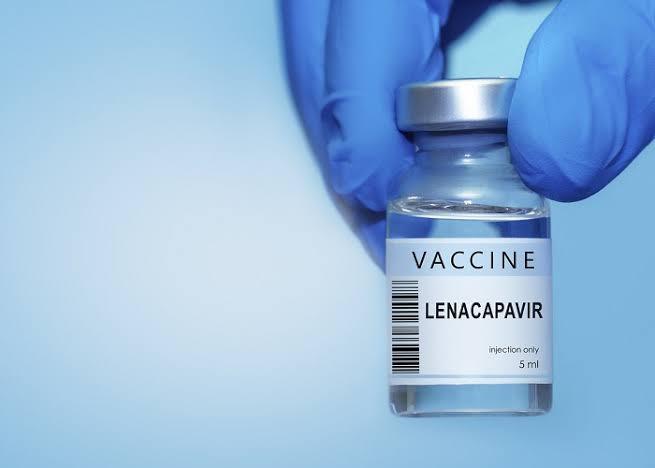
Nigeria has taken a major step in its HIV prevention efforts with the arrival of the long-acting drug lenacapavir. This injectable medication, which requires administration only twice a year, represents a significant technological and logistical advancement. Its introduction could reshape the public health landscape for a country with one of the world's largest populations of people living with HIV.
Long-acting prevention options like lenacapavir directly address a key challenge in HIV control: adherence to daily oral medication. Studies consistently show that many individuals struggle with taking a pill every day, which reduces the overall effectiveness of pre-exposure prophylaxis (PrEP). A twice-yearly injection removes this daily burden, potentially increasing the number of people who can effectively protect themselves from the virus.
The arrival of this drug signals a shift in Nigeria's national HIV prevention strategy. Public health officials have historically relied on a combination of condom distribution, testing campaigns, and daily oral PrEP. Adding a long-acting injectable to the toolkit provides a more diverse set of options, allowing individuals to choose the prevention method that best fits their lifestyle and needs. This patient-centered approach is critical for improving uptake and sustained use.
In practical terms, the logistics of rolling out lenacapavir will be complex. The drug requires a healthcare professional to administer the injection, meaning individuals must visit a clinic twice a year. This contrasts with daily oral PrEP, which can be taken at home after an initial prescription. The success of this new tool will depend on building a robust system for scheduling, administering, and tracking these injections across the country's health facilities.
Financing the rollout of a new, likely more expensive, biomedical intervention is another crucial consideration. Nigeria's HIV program receives significant support from international donors and the Global Fund. The inclusion of lenacapavir will require negotiations for pricing, procurement, and integration into existing supply chains. How quickly and widely the drug becomes available will hinge on these financial and operational decisions.
From an epidemiological perspective, introducing a highly effective long-acting option could accelerate progress toward reducing new HIV infections. If a critical mass of high-risk individuals adopts the twice-yearly injection, it could lead to a measurable decline in transmission rates over time. However, this outcome depends entirely on successful implementation, high coverage, and continued promotion of other prevention methods to avoid a single-point strategy.
The next phase involves training healthcare workers, establishing clinical protocols, and initiating pilot distribution programs. These steps are necessary before lenacapavir can be offered widely. Public health campaigns will also need to educate the public about this new option, explaining its benefits, administration schedule, and how it compares to existing methods.
Key data to watch will be the initial uptake rates in pilot programs and the first reports on adherence to the six-month injection schedule. Monitoring these early metrics will provide the first real-world evidence of lenacapavir's potential impact in the Nigerian context and guide future national scale-up decisions.