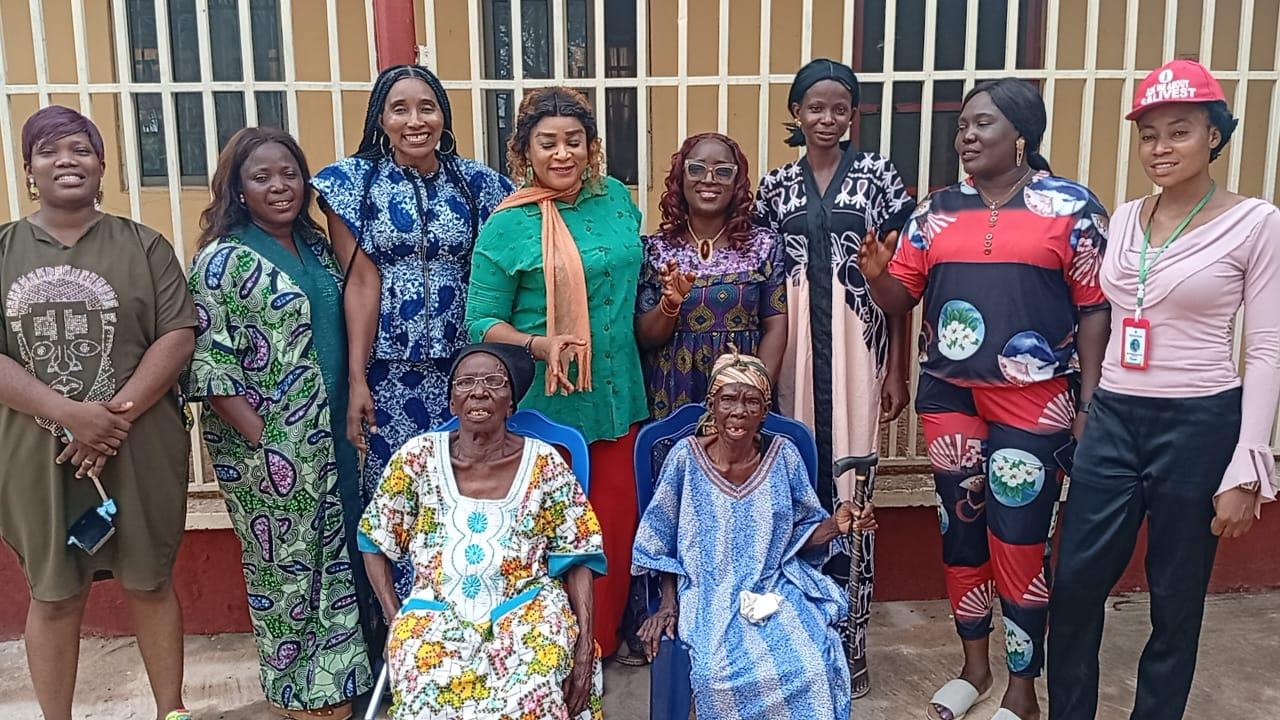
The Federal Government of Nigeria marked International Women's Day with the launch of a new empowerment drive aimed at women across the nation. The announcement signals a renewed policy focus on improving the status and opportunities for Nigerian women, aligning with global advocacy for gender equality.
The Initiative's Focus
While specific program details, funding figures, and target demographics are pending further official release, the broad goal is to boost economic and social prospects for women. Historically, similar government drives have encompassed critical areas such as:
- Improved access to finance and credit.
- Vocational and skills training programs.
- Support networks and resources for women-led businesses and entrepreneurs.
The absence of concrete data means the immediate scale and impact of the launch remain to be seen, placing emphasis on future announcements regarding its design and implementation.
Why This Drive Matters
Analytically, the launch must be viewed within Nigeria's current gender parity landscape. The World Economic Forum's 2023 Global Gender Gap Report ranked Nigeria 130th out of 146 countries, highlighting a substantial need for improvement in economic participation and opportunity.
A well-executed, government-led drive has the potential to begin shifting these metrics by systematically addressing structural barriers that limit women's full economic participation. Past data from targeted initiatives in other sectors shows they can lead to measurable increases in female entrepreneurship and workforce inclusion.
Strategic Timing and Future Trajectory
The timing of the announcement on International Women's Day is strategically significant, linking national policy to a global movement for gender equality. It represents a public commitment to gender-inclusive development goals.
However, experts note that the long-term success of the program will not be determined by the launch event itself. Instead, it will hinge on sustained budgetary allocation, transparent monitoring of outcomes, and consistent implementation over the coming years. The true measure of impact will be its effect on Nigeria's gender parity indices in the medium to long term.