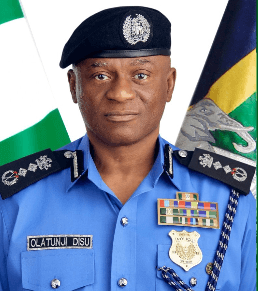
The Nigeria Police Force has shifted to a state of heightened vigilance as international conflicts, particularly in the Middle East, escalate. Inspector-General of Police, IGP Tunji Disu, confirmed the force is proactively monitoring global developments to anticipate and mitigate any potential impact on national stability.
This strategic posture was underscored by a tangible local disruption: the US Embassy in Abuja cancelled all visa appointments scheduled for a recent day, citing a 'high potential for protests' in the city. This decision, directly linked to escalating hostilities between the US, Israel, and Iran, provides a clear example of how distant geopolitical clashes can have immediate consequences for Nigerian citizens.
The global context for this vigilance is severe. The sinking of an Iranian warship by a US submarine in the Indian Ocean, resulting in significant casualties, marks a dangerous escalation. Concurrently, diplomatic spats, such as the US threat to cut trade with Spain over its stance on Iran, illustrate the widening ripple effects of the crisis.
On the domestic front, IGP Disu issued a crucial appeal to the public, urging Nigerians to avoid sharing unverified information. In an age of rapid digital communication, misinformation can fuel unnecessary fear and complicate security operations. The police have consequently intensified surveillance and patrols nationwide to maintain law and order.
This situation highlights the interconnected nature of modern security, where events thousands of miles away can influence patrols in Lagos or cancel appointments in Abuja. It underscores the importance of credible information and institutional preparedness in navigating an uncertain global landscape.


