Nigeria Paid Ransom to Boko Haram for Kidnapped Pupils, Intel Sources Claim
Intelligence sources have reported that Nigerian authorities paid a ransom to the militant group Boko Haram to secure the release of kidnapped school pupils. This allegation directly challenges the Nigerian government's longstanding public position of refusing to negotiate with or pay ransoms to terrorist organizations. The reported payment, if confirmed, represents a significant and controversial shift in counter-terrorism tactics.
A Contradiction in Policy
For years, the Nigerian government has maintained a firm public stance against paying ransoms, arguing that such payments only fuel further kidnappings by providing militant groups with essential funding. Official statements often emphasize military rescue operations as the primary method for recovering captives. This reported payment, therefore, suggests a potential disconnect between public policy and covert operational realities on the ground.
The Boko Haram Context
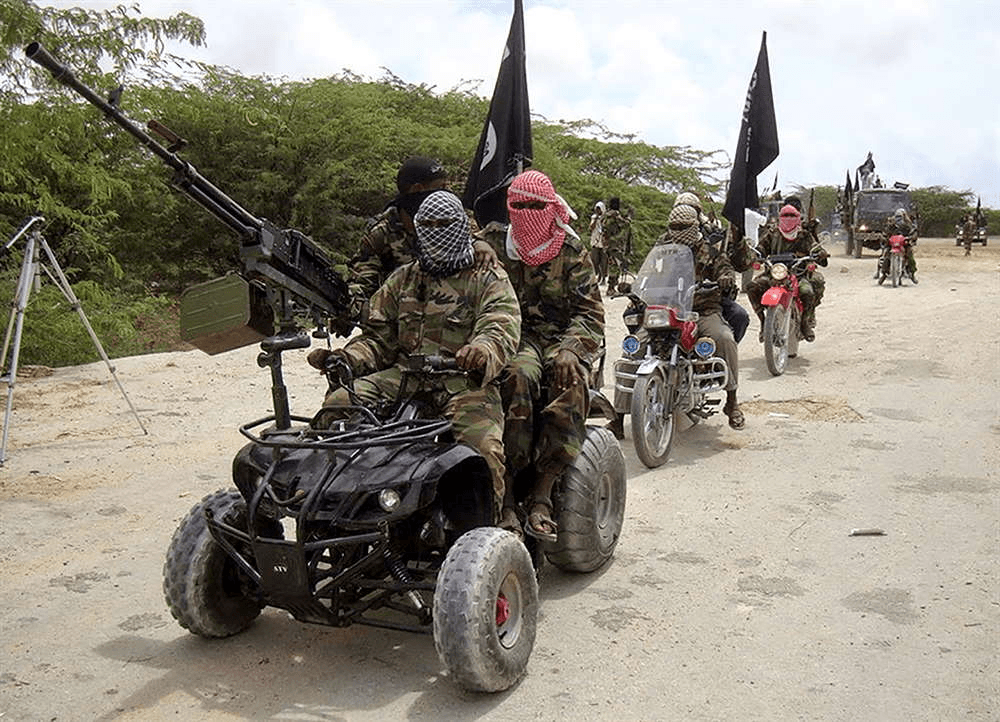
The claim centers on a kidnapping incident involving pupils, a brutal hallmark of Boko Haram's insurgency. The group, whose name translates roughly to 'Western education is forbidden,' seeks to establish an Islamic state and explicitly opposes Western-style education. This ideology makes schools and students frequent targets for violence and abduction, creating a climate of fear that has forced the closure of thousands of educational institutions in the northeast.
The Ethical and Strategic Dilemma
The practice of paying ransoms is fraught with complex dilemmas. On one hand, securing the immediate release of hostages is a pressing humanitarian imperative. On the other, critics argue it creates a vicious cycle, incentivizing future kidnappings as a lucrative funding model. The funds can be used by groups like Boko Haram to purchase weapons, pay fighters, and sustain their operations, ultimately prolonging the conflict and endangering more civilians.
Looking Ahead: School Safety and Policy
This development raises urgent questions about the safety of schools in Nigeria's northeast and the broader Lake Chad region. It also forces a reevaluation of counter-terrorism strategy. Will this reported payment remain a one-off exception, or does it signal a permanent, unacknowledged shift in how Nigeria engages with militant groups? The government's official response—or lack thereof—will be closely watched by security analysts and international partners.