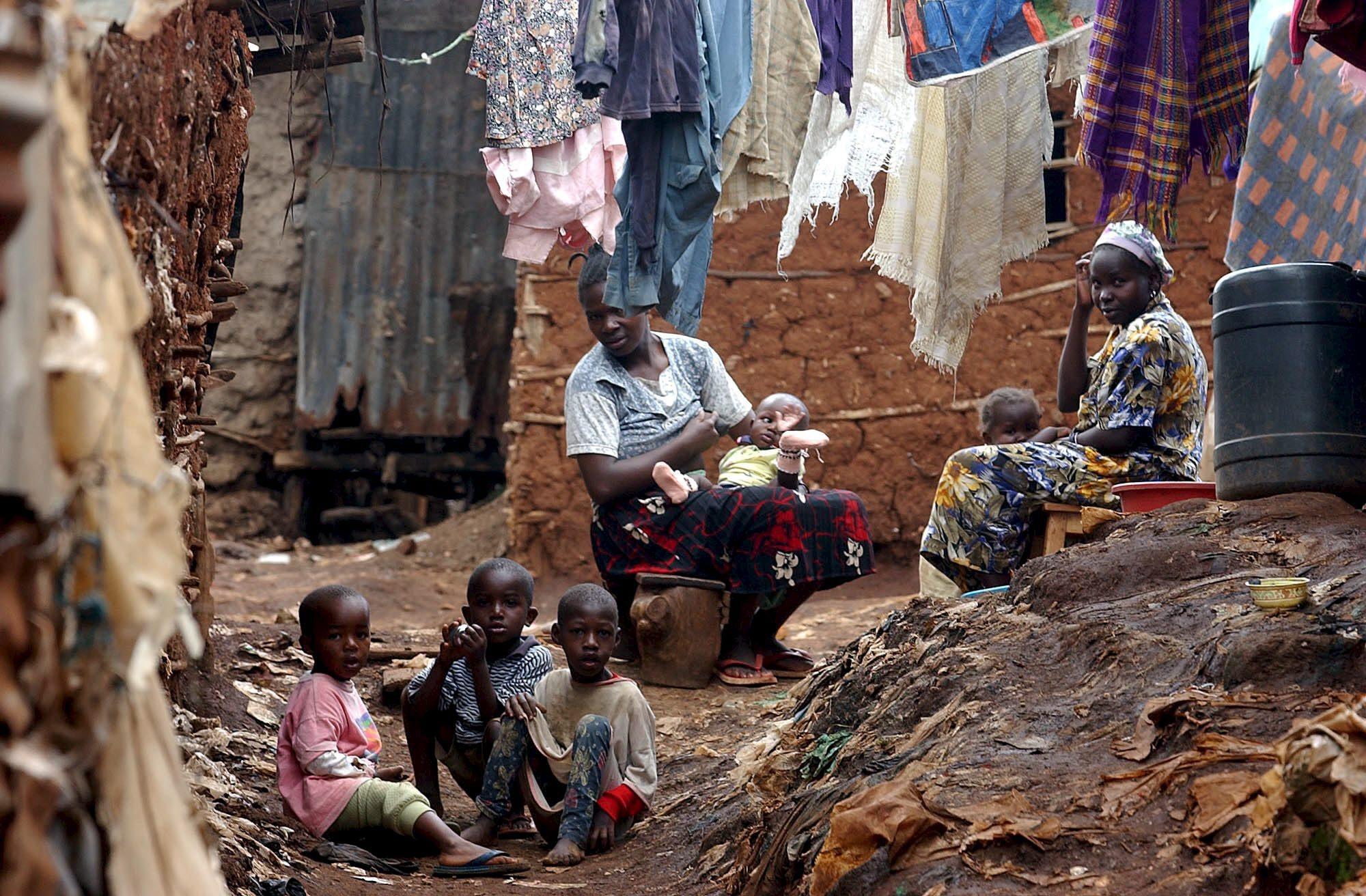
A staggering 63 percent of Nigeria's population—approximately 133 million people—currently experiences multidimensional poverty, according to a new National MPI report. This measurement extends beyond income to include health, education, and living standards, revealing a systemic national crisis.
The northern region bears a disproportionate burden, with 65 percent of the nation's poor residing within its borders. This regional disparity presents significant challenges for equitable development and national cohesion.
Perhaps most alarmingly, the report indicates that over half of poor children lack the intellectual stimulation crucial for early childhood development. This deficiency threatens to perpetuate intergenerational cycles of poverty by stunting cognitive growth from the earliest stages.
Local Responses and Security Concerns
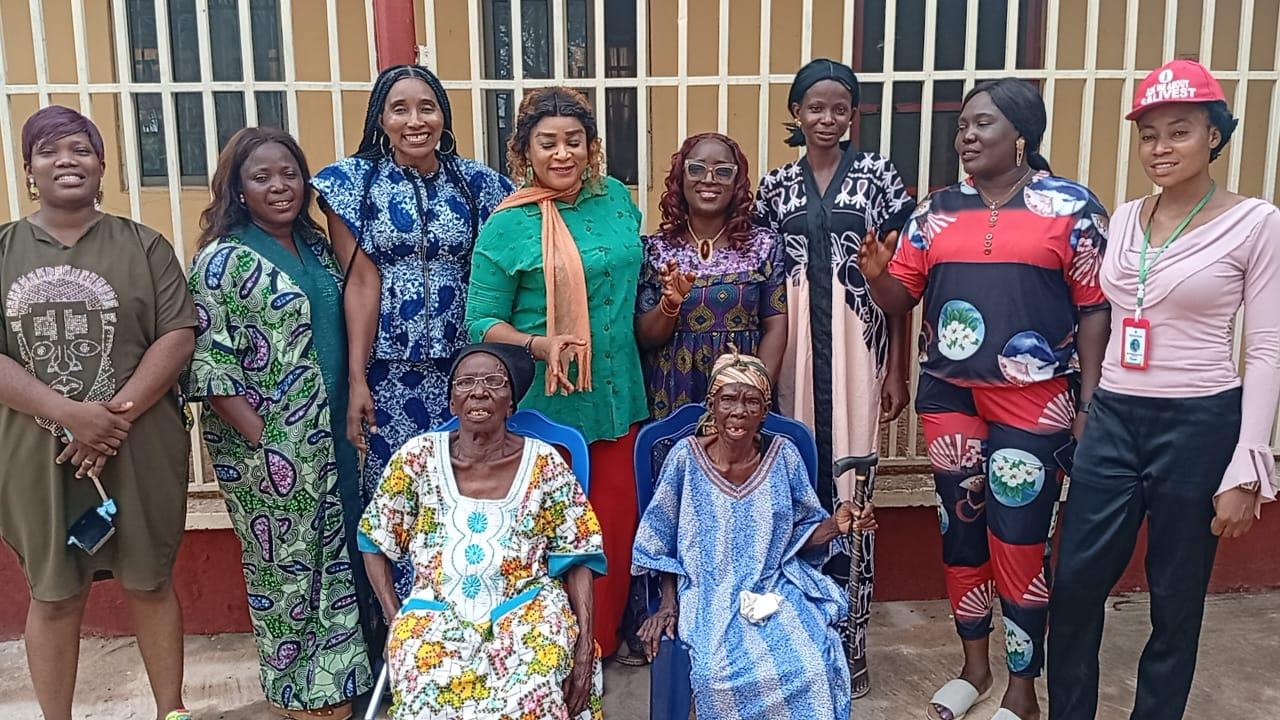
Amid this backdrop, local councils are attempting small-scale interventions. The Ifelodun LCDA recently distributed 3,000 palliatives to support households. Council Chairman Olufemi Akanbi Okeowo stated the gesture was part of efforts to cushion economic challenges.
Concurrently, the Jama'atu Nasril Islam (JNI) has called on the government to intensify efforts to rescue kidnapped citizens and address rising insecurity. Secretary-General Prof. Khalid Aliyu expressed concern over increasing incidents of killings and abductions in a statement issued in Kaduna.
Conflicting Narratives: The Church Fire Incident
A separate incident involving a March 4, 2026 fire at St. Mary Catholic Cathedral has generated conflicting narratives. United States Congressman Riley Moore tweeted that terrorists had burned a church in Nigeria. This claim directly contradicts local accounts describing the incident as an accident.
This discrepancy highlights how Nigeria's complex challenges—poverty, insecurity, and regional disparities—can become entangled in competing narratives that complicate both understanding and response.
The MPI data provides crucial evidence for policymakers, but as the church fire incident demonstrates, data alone cannot capture the full human reality of Nigeria's current crisis.