A staggering N6.8 trillion debt burden is pushing Nigeria's fragile electricity grid toward a more severe and prolonged power crisis. This financial abyss, confirmed by sector sources, represents a systemic failure that threatens to paralyze economic activity and deepen hardship across the nation.
The Anatomy of a Debt Crisis
The debt has accumulated across the entire electricity value chain, from generation companies (Gencos) to the national grid operator. It stems from a fundamental flaw: distribution companies (Discos) have consistently failed to fully remit payments for the power they receive and sell to consumers. This creates a catastrophic cash shortfall.
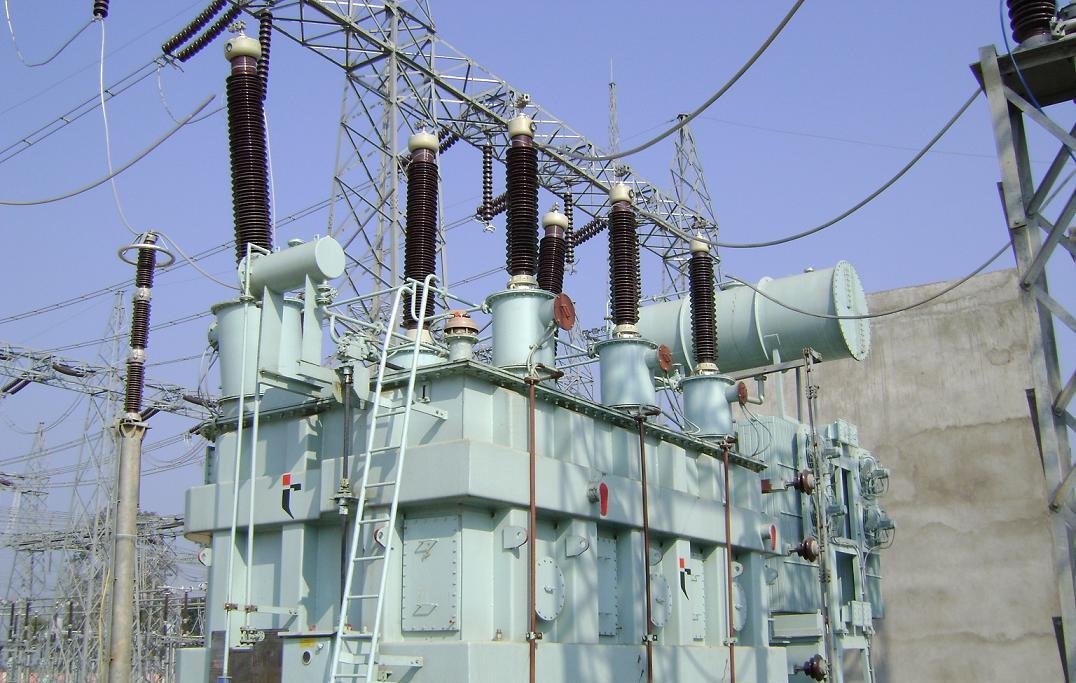
This shortfall has a direct, physical impact. Generation companies cannot afford adequate fuel to run their plants. Critical maintenance on transmission lines and infrastructure is deferred. The result is a vicious cycle: poor performance leads to less revenue, which leads to even worse performance and more debt.
Grid Stability Hangs in the Balance
For months, Nigerians have experienced marginally improved power supply—a hard-won stability. However, this N6.8 trillion debt cliff now risks a rapid and severe regression. The financial hole is so deep it jeopardizes the basic operation of power plants and the integrity of the national grid itself.
Analysts describe the figure as an anchor dragging down the entire sector's viability. Without a major structural intervention, the debt will force more generation outages and increase the frequency of catastrophic nationwide grid collapses. Each collapse can take days to restore, paralyzing businesses, shutting down hospitals, and freezing daily life, while inflicting billions in lost economic productivity.
A Legacy of Broken Reform
This crisis exposes the unresolved flaws in the 2013 privatization of Nigeria's power sector. While generation and distribution were sold to private investors, the government retained control of the transmission network. The current disaster highlights how the promised private-sector efficiency and investment have failed to materialize, leaving behind a financially unsustainable structure where debts spiral and accountability is diffuse.
Government officials have acknowledged the debt, but the path to a solution remains unclear. The coming months will be a critical test of whether Nigeria can untangle this financial knot before the lights—and the economy—flicker out.