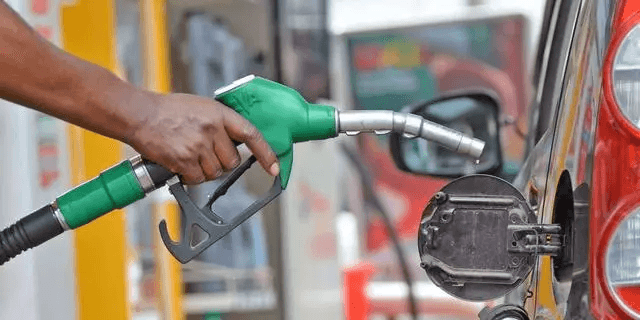
Nigeria's average daily consumption of Premium Motor Spirit, commonly known as petrol, fell to 56.9 million litres in February 2026. The Nigerian Midstream and Downstream Petroleum Regulatory Authority (NMDPRA) reported this figure, which serves as a critical benchmark for the nation's energy market and economic health. This data point provides a clear snapshot of fuel demand during that specific period.
The reported consumption level is a significant metric for analysts and policymakers. It directly influences calculations for subsidy payments, import requirements, and national revenue projections. A change in this figure can signal broader economic trends, including transportation activity, industrial output, and consumer spending power. Monitoring these consumption patterns is essential for planning and fiscal management.
While the verified claim provides the specific February figure, it does not include comparative data from prior months. Therefore, the exact magnitude of the decline or increase relative to January or December 2025 cannot be quantified from this single data point. The NMDPRA typically releases these statistics monthly, allowing for trend analysis over time. The absence of the previous month's number limits immediate conclusions about the direction and pace of change.
Petrol consumption in Nigeria is historically sensitive to several factors. Changes in official pump prices, the availability of foreign exchange for imports, and the prevalence of cross-border smuggling can all cause volatility in recorded figures. Furthermore, economic contractions or expansions that affect commuting and goods movement directly impact fuel demand. The February data must be viewed within this complex framework of influencing variables.
The role of the NMDPRA is to collate and authenticate this data from depots and retail outlets across the country. Their reporting aims to bring transparency to a market that has long been opaque, with disputed consumption figures. Accurate data is foundational for effective policy, whether related to subsidy regimes, infrastructure planning, or environmental targets. This official figure provides a standardized point of reference for all stakeholders.
For the government, a lower-than-expected consumption figure could indicate reduced subsidy costs, assuming the subsidy mechanism was still in place in some form in February 2026. Conversely, it might also point to suppressed economic activity or increased efficiency. Without comparative data and official policy context, the immediate fiscal implications of the 56.9 million litre daily average remain an area for further analysis once more data is released.
Market participants, including major importers and local distributors, rely on this data to gauge market size and plan their operations. A confirmed daily average helps in logistics planning and inventory management. The figure also indirectly informs the debate about Nigeria's refining capacity and its perennial dependence on imported refined products, a central issue in the country's energy security strategy.
The next official data point to watch will be the NMDPRA's report for March 2026, expected in early April. That subsequent figure will establish whether the February consumption level was an anomaly or the start of a new trend. Continued monitoring of these monthly reports is necessary to understand the full story of Nigeria's fuel consumption and its economic correlates.