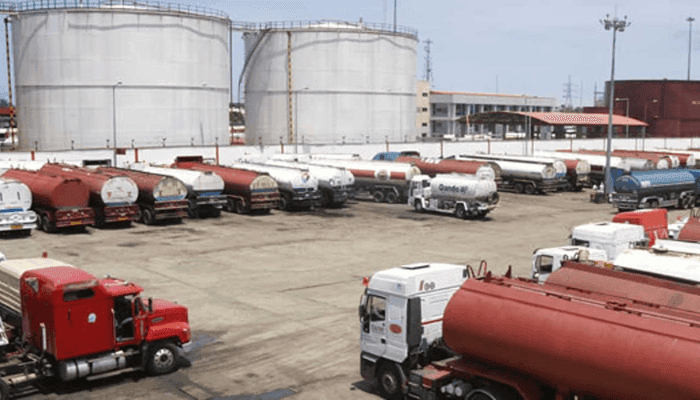
Nigeria's petrol imports have collapsed to their lowest level in nine years, according to official trade data for the first quarter of 2026. This dramatic decline marks a pivotal shift for Africa's largest oil producer, which has historically imported nearly all its refined fuel despite vast crude reserves.
The driving force behind this transformation is the Dangote Petroleum Refinery. The $20 billion facility, located in Lagos's Lekki Free Zone, began operations in early 2024 after years of anticipation. Throughout 2025, it steadily ramped up production, and its output is now directly displacing shipments from international markets.
With a design capacity of 650,000 barrels per day, the refinery is positioned to meet Nigeria's entire domestic petrol demand and eventually generate a surplus for export. Import volumes for Q1 2026 show a steep drop compared to the same period in 2025, reaching lows not seen since 2017.
Economic Impact and Foreign Exchange Savings
The immediate benefit is a substantial reduction in foreign exchange expenditure. Nigeria has spent billions of dollars annually on refined fuel imports, a major drain on currency reserves. The savings are expected to ease pressure on the Nigerian naira and improve the country's current account balance.
Market Transition and Future Outlook
While the shift promises greater supply stability and economic relief, it also introduces new complexities. The domestic fuel market is adjusting to a single primary supplier, which could reshape pricing and distribution dynamics. Market observers are monitoring the consolidation phase closely for potential disruptions.
As the refinery's distribution networks expand nationwide, further import declines are anticipated. This move toward self-sufficiency represents a long-term structural change for Nigeria's economy—and a signal to the broader African energy landscape.


