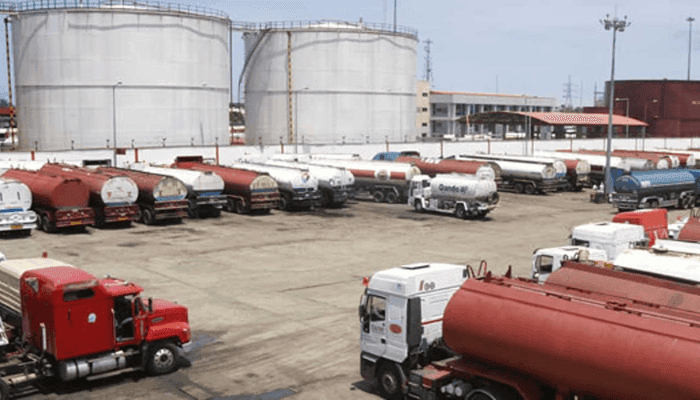
Nigeria's petrol imports have collapsed to a nine-year low, a direct consequence of rising production from the Dangote Petroleum Refinery. This unprecedented drop signals a fundamental restructuring of the nation's energy supply chain. For decades, Nigeria, a major crude oil producer, paradoxically depended on costly imports to meet its domestic fuel needs, a situation that drained foreign reserves and exposed the economy to global price volatility. The new data confirms a long-anticipated shift toward self-sufficiency.
Official figures show the volume of imported petrol has reached its lowest point since 2017. The decline is not gradual but a sharp, sustained drop directly correlated with the refinery's operational ramp-up. This development fulfills a core promise of the Dangote project: to reverse the flow of refined products and transform Nigeria from a net importer to a potential exporter. The economic implications of this shift are profound, affecting everything from the national balance of payments to pump price stability.
The Dangote Refinery, with a capacity of 650,000 barrels per day, is the largest single-train refinery in the world. Its entry into the market provides a massive, local source of Premium Motor Spirit (petrol), diesel, and aviation fuel. Prior to its operation, Nigeria's state-owned refineries were largely moribund, forcing the Nigerian National Petroleum Company Limited to spend billions of dollars annually on fuel imports. The refinery's output now directly displaces a significant portion of those foreign shipments.
Reduced imports will alleviate pressure on Nigeria's foreign exchange reserves, a perennial challenge for the Central Bank of Nigeria. Every dollar not spent on buying petrol abroad can be deployed to support the naira or fund other critical imports. Furthermore, domestic refining reduces the logistical risks and costs associated with shipping fuel across thousands of miles. This creates a more secure and potentially cheaper supply for Nigerian consumers and businesses.
The refinery's impact extends beyond mere import substitution. Its scale positions Nigeria to become a regional fuel hub, supplying neighboring West African nations. This could generate substantial export revenue and strengthen Nigeria's economic influence in the region. The project also stimulates ancillary industries and creates thousands of direct and indirect jobs, contributing to broader economic development goals outlined by the federal government.
While the import decline is a positive indicator, full energy security requires consistent, reliable operation of the refinery at or near its nameplate capacity. Market analysts will monitor the facility's utilization rates and product quality over the coming quarters. The successful integration of this colossal industrial asset into the national supply chain remains a critical test for both the Dangote Group and Nigerian regulatory bodies.
This transformation also reshapes the role of the Nigerian National Petroleum Company Limited. The state-owned firm must now adapt its business model from a primary importer to a potential offtaker and distributor of locally refined products. This transition could lead to more efficient fuel subsidy management and streamlined distribution networks, ultimately benefiting the end consumer through more stable supply and pricing.
The next phase will focus on the refinery's continued ramp-up to full production and its integration with the national Depot and Petroleum Products Marketers Association of Nigeria network. The Federal Ministry of Petroleum Resources and the Nigerian Midstream and Downstream Petroleum Regulatory Authority are expected to release comprehensive data on domestic production volumes and import figures for the first quarter of 2026, providing a clearer picture of the new market equilibrium.