Nigeria's electricity distribution companies (DisCos) have reported a substantial 29% increase in revenue, reaching N2.3 trillion in the latest reporting period. This financial surge represents a notable turnaround for a sector historically challenged by liquidity crises and collection inefficiencies.
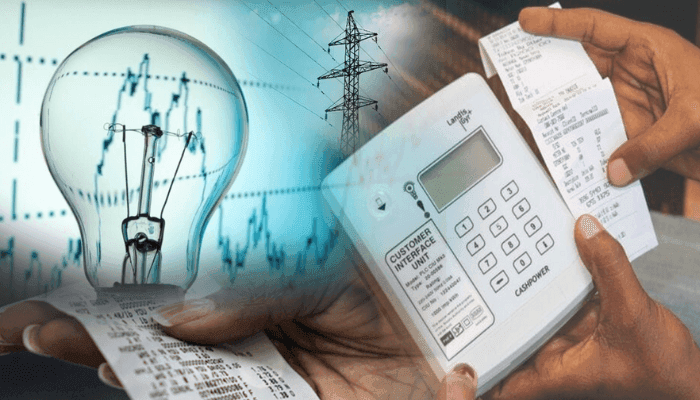
The revenue growth coincides with measurable improvements in Nigeria's national metering rate. As more customers transition from estimated billing to actual consumption-based billing through proper metering, collection efficiency has increased significantly. This reduction in contested bills and billing disputes has directly contributed to the improved financial performance.
Scale of the Revenue Increase
To contextualize the N2.3 trillion figure: it represents approximately 40% of the federal government's total capital expenditure budget for 2025. This scale underscores the economic significance of the electricity distribution segment within Nigeria's infrastructure landscape. The 29% year-on-year growth marks a stark departure from the single-digit or negative growth rates that characterized the sector in previous years.
Implications for the Sector
The revenue surge provides DisCos with increased capital for critical investments. These funds could be allocated toward:
- Network maintenance and upgrades
- Modernization of aging infrastructure
- Partial settlement of outstanding debts to the Nigerian Bulk Electricity Trading Plc (NBET)
- Expansion of metering programs to sustain revenue growth
Consumer Impact and Future Outlook
While a financially healthier distribution company could theoretically lead to more reliable electricity service and faster fault response, this outcome is not automatic. The correlation between improved finances and service delivery will depend on how DisCos allocate these additional resources.
The improving metering rate remains central to this financial narrative. Each new meter installed represents a transition from arbitrary estimated billing to transparent, consumption-based charges—reducing conflicts and improving revenue predictability.
As Nigeria continues to expand its metering infrastructure, the sector's financial health appears poised for further stabilization, potentially marking a new chapter in the country's power distribution landscape.