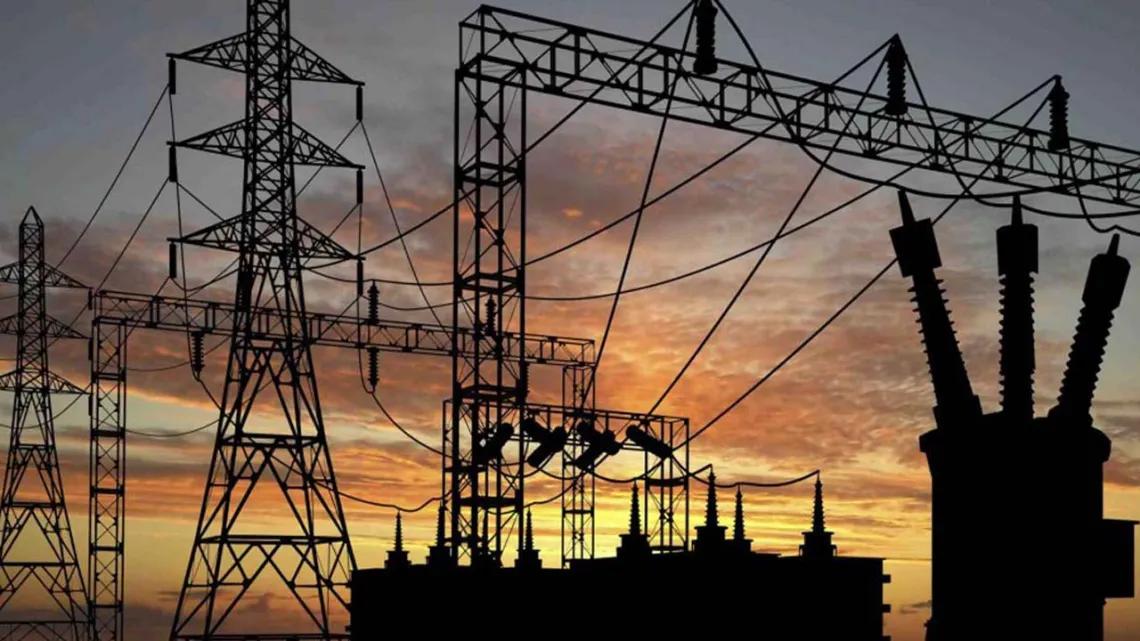
Nigeria's already fragile electricity supply has hit another critical low, with generation on the national grid plunging below 4,000 megawatts (MW) as a severe gas supply crisis cripples thermal power plants.
The Nigerian Independent System Operator (NISO) confirmed the dramatic decline, which occurred in the early hours of Thursday, March 5, 2026. Available power stood at a meager 3,940.53 MW at 5:00 AM—a dangerously insufficient level for a nation of over 200 million people.
The Immediate Trigger: Gas Shortages Force Plant Shutdowns
The crisis intensified between 6:00 AM and 8:00 AM when inadequate gas supply forced several generating units at critical thermal plants to shut down completely. These unplanned outages resulted in an immediate loss of approximately 292 MW of electricity, further straining the grid and setting the stage for widespread rotational blackouts, known locally as 'load shedding,' throughout the day.
A Recurring Nightmare with Systemic Roots
This incident is not an isolated event but a symptom of a deep-seated, systemic vulnerability. Nigeria's power generation remains overwhelmingly dependent on gas-fired thermal plants. Disruptions in the gas supply chain—whether due to pipeline vandalism, payment disputes, or infrastructure failures—therefore have an immediate and catastrophic effect on the entire grid.
The Human and Economic Cost
Every megawatt lost translates directly to darkened homes, shuttered businesses, and stalled economic activity. For millions of Nigerians, this means a return to expensive alternative power sources like generators, increased operational costs for industries, and a further drag on national productivity and growth.
The data from the previous day, March 4, 2026, underscores the precarious state of the grid, showing generation levels fluctuating at similarly low thresholds. This persistent instability highlights the urgent need for diversification of Nigeria's energy mix and significant investment in grid infrastructure and gas supply security to prevent these recurrent collapses.