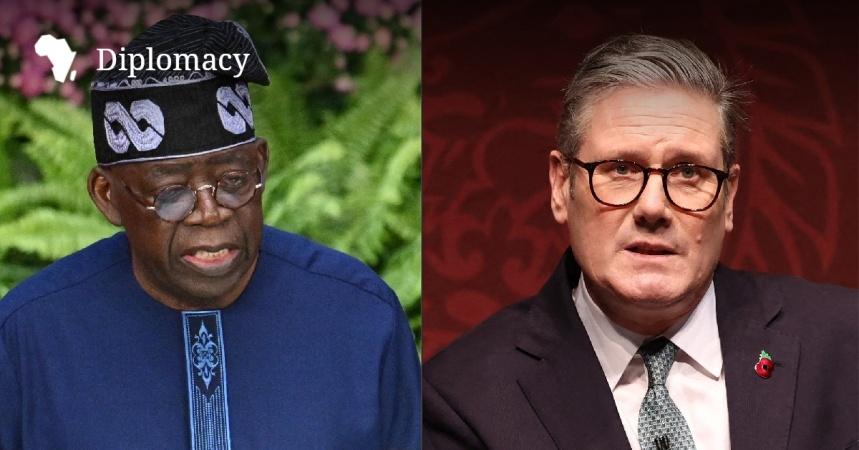
The Nigerian Federal Government is actively pursuing an expanded strategic partnership with the United Nations Development Programme (UNDP). This move is designed to accelerate and bolster the implementation of President Bola Tinubu's comprehensive economic and social reform agenda.
Aligning Domestic Goals with Global Expertise
This initiative represents a deliberate effort to align Nigeria's domestic policy objectives with established international development frameworks. The collaboration is expected to provide crucial technical support, capacity-building, and methodological expertise for key government initiatives. Since taking office in 2023, the Tinubu administration has enacted significant reforms, most notably the removal of the long-standing fuel subsidy and the unification of foreign exchange windows.
Mitigating Social Impact
While these reforms target long-term fiscal stability and economic growth, they have contributed to rising inflation and increased cost-of-living pressures for citizens. A deeper partnership with the UNDP is viewed as a mechanism to help mitigate these social impacts. The focus will likely be on co-designing and implementing targeted development programs, particularly robust social safety nets to cushion vulnerable populations from economic adjustments.
Areas of Focus and Mutual Benefit
The enhanced collaboration is anticipated to concentrate on core areas such as sustainable development, poverty reduction, and governance strengthening. The UNDP's global network and expertise in program design, monitoring, and evaluation could offer valuable frameworks for measuring the success and efficacy of Tinubu's reforms. This external validation is seen as vital for maintaining both domestic confidence and international credibility in the government's policy direction.
For the UNDP, a strengthened partnership with Africa's most populous nation and largest economy presents a significant opportunity to influence development outcomes on a massive scale. Nigeria's success or failure in navigating its reform process carries substantial implications for regional economic stability and migration patterns. Consequently, this partnership could serve as a potential model for public-private-international cooperation in other reforming economies.
The Path Forward
In practical terms, the next phase of this partnership will likely involve detailed work on co-designed programs and technical assistance for data collection and policy analysis. The coming months will be critical in shaping how this international alliance translates into tangible support for Nigeria's reform journey.