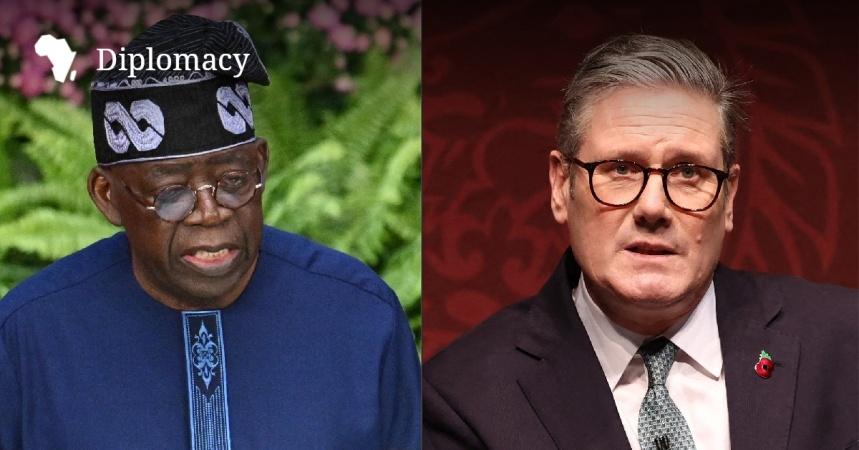
The Federal Government of Nigeria is actively pursuing a strengthened collaboration with the United Nations Development Programme (UNDP). This strategic move is aimed at accelerating the execution of President Bola Tinubu's ambitious economic and social reform agenda.
The Reform Context and Challenges
Since taking office, the Tinubu administration has implemented significant, yet painful, economic reforms. The removal of the long-standing fuel subsidy and efforts to unify the foreign exchange windows were bold steps intended to secure long-term fiscal health. However, these policies have directly contributed to soaring inflation and a increased cost of living, creating significant hardship for citizens and highlighting gaps in policy execution and social mitigation.
The Role of the UNDP
Enter the UNDP. With its global mandate in governance, poverty reduction, and sustainable development, the agency represents a logical partner for a government navigating a complex economic transition. A formalized partnership is expected to provide crucial technical assistance, capacity building for Nigerian institutions, and potentially help unlock additional development financing.
The collaboration would likely focus on practical areas such as designing effective social safety nets to protect the most vulnerable, improving public sector efficiency to deliver services better, and aligning national reforms with the Sustainable Development Goals (SDGs).
A Bid for Credibility and Structure
This outreach occurs amidst growing public pressure for the administration to demonstrate tangible improvements in welfare. By aligning with the UNDP, the government may be seeking to bolster both the technical credibility and the international legitimacy of its policy pathway. The goal is to frame these tough reforms not as isolated austerity measures, but as components of a coherent, internationally-supported development plan.
The success of this potential partnership will ultimately be judged by its ability to translate high-level assistance into concrete results that ease the burden on Nigerians and put the economy on a more stable, inclusive growth path.