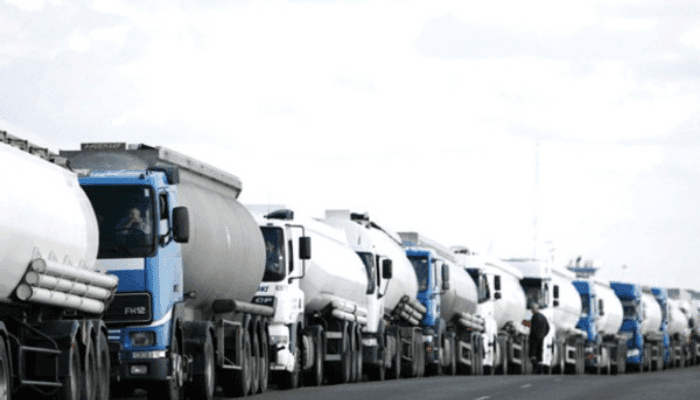
The Nigerian government has implemented a significant policy shift, suspending the issuance of new licences for petrol (gasoline) imports. This move effectively freezes the entry of new players into the nation's critical fuel importation sector.
The Rationale: Stability Over Expansion
The primary goal is to bring predictability to the domestic gasoline market. By focusing on a defined group of existing licence holders, the government aims to prevent market fragmentation that can lead to inconsistent supply and volatile pricing for consumers. This creates a more controlled supply framework, a departure from a more open-import model.
The Immediate Impact
In the near term, responsibility for meeting national fuel demand falls squarely on current importers. The policy is designed to provide these companies with a stable operating environment, incentivizing them to maintain consistent import volumes. This contrasts with a scenario of volatile competition from numerous new entrants, which could disrupt complex supply chains.
The Long-Term Vision: Fueling Local Refineries
This suspension is intrinsically linked to Nigeria's broader ambition of achieving energy independence through enhanced domestic refining. By not expanding the import licence roster, the government is creating market conditions that favor the increased utilization of local refineries.
Key projects like the massive Dangote Refinery and rehabilitated state-owned plants stand to benefit. The underlying logic is clear: a constrained import channel should, in theory, increase the market share and economic viability of gasoline produced within Nigeria's own borders.
Analysis: A Supply-Side Strategy
Analytically, this represents a classic supply-side management strategy rather than direct price control. The government is attempting to influence the market structure—specifically, the number of suppliers—to achieve greater supply predictability and stability.
However, the success of this approach hinges entirely on two critical factors: the reliable performance of existing importers and the successful, timely ramp-up of domestic refining capacity to meet total national demand. The coming months will test the efficacy of this strategic pivot.