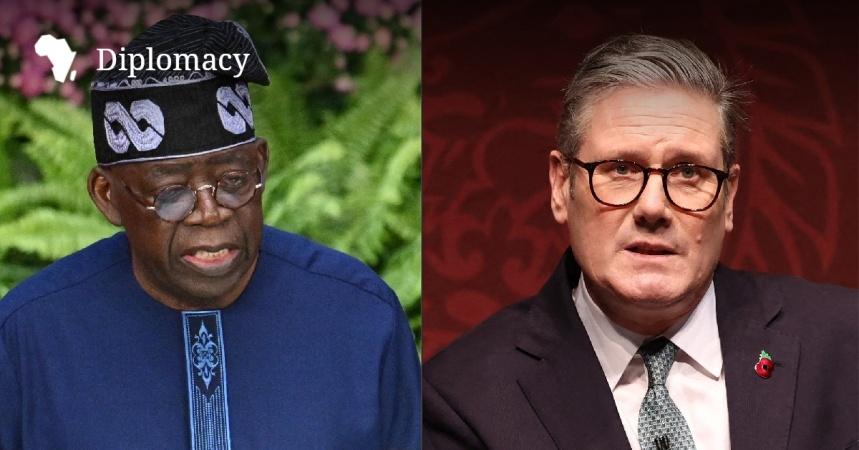
In a surprising move, Nigeria's prosecution team has withdrawn former Economic and Financial Crimes Commission (EFCC) chairman Abdulrasheed Bawa from its witness list for the United Kingdom trial of former petroleum minister Diezani Alison-Madueke. This decision removes the central figure who led Nigeria's domestic investigation into the alleged $2.5 billion money laundering scheme, occurring just as defence lawyers were preparing to challenge his credibility and the evidence he gathered.
A Major Strategic Shift
Legal analysts view the removal of a lead investigator as a significant strategic shift, potentially weakening the prosecution's narrative. Without Bawa's direct testimony, the UK court must now rely solely on documentary evidence and other witnesses to establish the chain of events. This move strongly suggests prosecutors anticipated a damaging cross-examination that could have undermined the entire case.
The Stakes of the Trial
This trial represents a critical test of international cooperation in prosecuting grand corruption. Alison-Madueke served as Nigeria's oil minister from 2010 to 2015, a period when the country lost an estimated $50 billion to corruption and mismanagement in the sector. Her UK prosecution, following a lengthy investigation by the UK's National Crime Agency, signals a rare attempt to hold a former Nigerian official accountable in a foreign jurisdiction.
Symbolic Weight for Anti-Corruption Efforts
For Nigeria's anti-corruption efforts, the withdrawal carries profound symbolic weight. The EFCC, under Bawa's leadership from 2021 to 2023, had publicly championed this case as a flagship recovery operation. Removing its former chairman from the witness stand may be interpreted as an admission of vulnerability in the evidence or investigative process. It also creates a substantial gap in explaining how Nigerian authorities compiled their case file for British prosecutors.
The defence strategy to target Bawa's credibility likely focused on his controversial tenure at the EFCC. Bawa was suspended from his post in 2023 and later detained for over four months by Nigeria's State Security Service, factors the defence could have used to question the integrity of the investigation he oversaw. The coming weeks in court will reveal whether the remaining evidence is robust enough to secure a conviction without its lead architect on the stand.