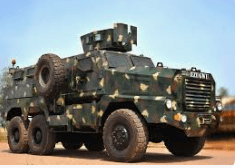
The Nigerian Army has officially taken delivery of 15 new armoured vehicles that were manufactured within the country. This development signifies a tangible addition to the military's fleet of operational assets. The vehicles are designed to enhance the mobility and protection of troops during various missions.
The procurement of these vehicles is a notable event for Nigeria's domestic defence manufacturing sector. It demonstrates a continued effort to source critical military equipment from local industrial bases. Such initiatives are often aimed at reducing reliance on foreign arms imports and fostering technological self-reliance.
For the Nigerian Army, the arrival of new armoured platforms is directly linked to ongoing security operations across the nation. Armoured vehicles provide essential force protection in conflict zones and during patrols. They are vital assets in the fight against insurgent groups and other non-state actors threatening national stability.
The local production of these 15 vehicles carries broader economic and strategic implications. It supports jobs and technical skills development within Nigeria's industrial ecosystem. Building defence capabilities at home is a long-term goal for many nations seeking greater sovereignty in security matters.
This delivery likely follows a procurement process involving the Ministry of Defence and local defence contractors. The specific capabilities, model types, and intended deployment theatres for these new vehicles have not been detailed in the available report. However, such assets are typically allocated to units based on operational requirements and threat assessments.
The context of this acquisition is Nigeria's persistent security challenges, including terrorism, banditry, and communal clashes. Enhanced mobility and armour are consistently cited as needs for ground forces engaged in these diverse conflicts. New equipment is intended to improve the effectiveness and safety of personnel on the front lines.
While the report confirms the delivery, it does not provide comparative data on the scale of local production or the army's total armoured vehicle inventory. The integration of new systems into existing units requires training and logistical support. The ultimate impact on operational outcomes will depend on these factors and the vehicles' performance in the field.
In summary, the addition of 15 locally made armoured vehicles is a positive development for the Nigerian Army's material readiness. It highlights progress in the national defence industrial complex. The focus now shifts to how these assets will be deployed to strengthen security across the country.


