Ghana's prime real estate sector is experiencing a significant transformation, driven not by local demand alone, but by a substantial influx of Nigerian investment. This movement of capital represents a pivotal trend in West African economic integration, as Nigerian investors actively seek opportunities beyond their domestic borders, concentrating on high-value commercial and residential developments.
Accra: The Primary Destination
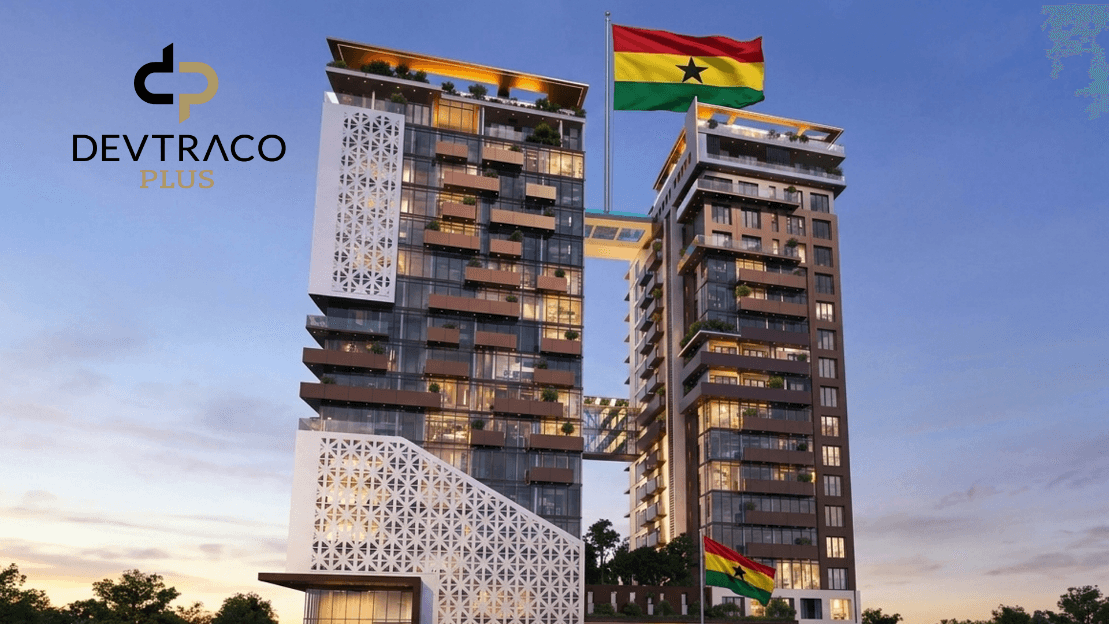
Accra, Ghana's capital, has emerged as the focal point for this cross-border investment. The city's stable political climate and growing economic profile present a compelling alternative for regional capital. Nigerian investors are specifically targeting assets in prime urban locations, including luxury apartments, premium office towers, and large-scale mixed-use developments.
The Drivers Behind the Surge
Several key factors are fueling this investment trend. A primary motivator is Ghana's relative currency stability, which stands in contrast to the volatility in Nigeria's foreign exchange market. For Nigerian investors, acquiring hard assets in a neighboring economy serves as a strategic method for portfolio diversification, a search for safer havens, and the pursuit of higher potential returns within the region.
Impact on the Local Market
Ghanaian real estate developers and agencies report a marked increase in inquiries and finalized transactions from Nigerian clients. This heightened demand is exerting upward pressure on property values in select premium districts of Accra, creating new dynamics that influence both market pricing and the priorities for future development projects.
A Sign of Mature Regional Linkages
This cross-border capital flow highlights the deepening economic ties between Nigeria and Ghana, both cornerstone members of the ECOWAS trade bloc. While the trade of goods has long characterized their relationship, this large-scale movement of capital into real estate signifies a more mature and sophisticated financial linkage. It points to the evolution of intra-regional investment from basic trade to complex asset acquisition.
The Dual-Edged Impact
Analysts note that such capital inflows present a dual effect on the recipient economy. Positively, they bring in valuable foreign exchange and can stimulate growth in the construction sector and related industries. However, they also raise important questions about local affordability and the potential for market overheating in specific segments. The long-term sustainability of this trend will depend on balanced market policies and continued regional economic cooperation.