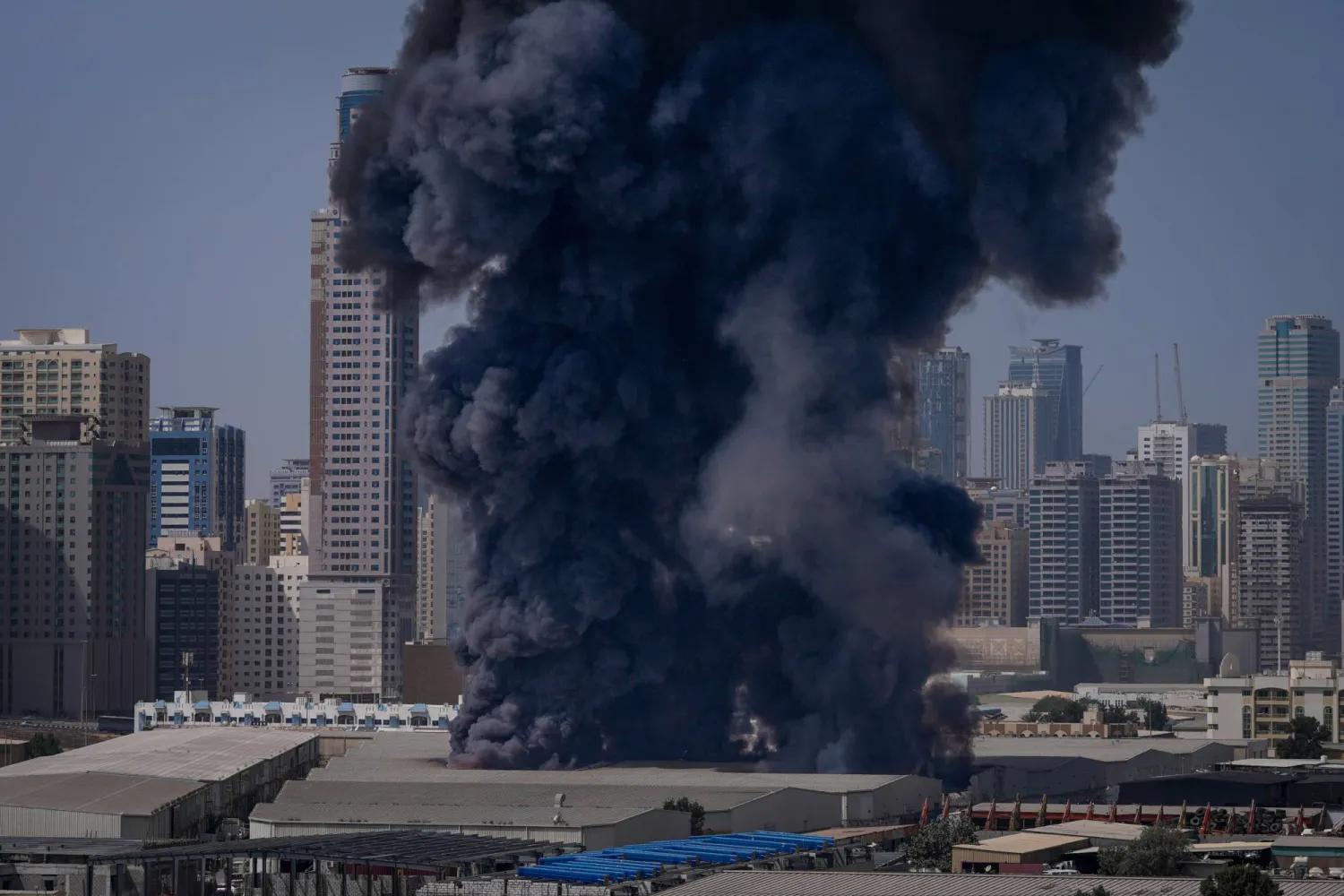
The night sky over the United Arab Emirates transformed from a peaceful panorama to a warzone display as air defense systems engaged multiple incoming Iranian missiles. For residents and visitors below, the successful interception came with a deadly cost: falling debris that injured dozens, including a citizen of Nigeria.
An Unintended Casualty Far From Home
The Nigerian national, whose identity remains protected, suffered injuries as shrapnel from destroyed missiles rained down on populated areas. Their presence in the UAE—whether for employment in the Gulf's economic hub, family reasons, or seeking refuge—suddenly placed them on the front lines of a regional conflict they did not choose. This incident starkly illustrates how modern warfare's consequences rarely respect passports or national borders.
A Dangerous Escalation in Regional Tensions
The missile attack represents a significant escalation in long-simmering hostilities between Iran and Gulf Arab states. For years, tensions have primarily played out through proxy conflicts in Yemen, Syria, and elsewhere. This direct assault on Emirati territory marks a dangerous shift toward open military confrontation, bypassing intermediaries and raising the stakes for the entire region.
The Double-Edged Sword of Air Defense
While UAE defense forces successfully intercepted the incoming projectiles—likely preventing catastrophic ground strikes—the very act of defense created secondary hazards. The scale of the attack, involving multiple missiles, suggests a coordinated effort to overwhelm defenses or strike several locations simultaneously. Such planning indicates this was a deliberate military operation rather than a symbolic gesture.
Diplomatic Fallout and Citizen Protection
The attack places the Nigerian government in a delicate position, needing to respond to the injury of its citizen while navigating complex diplomatic relations with both Gulf states and Iran. As geopolitical tensions intensify, nations worldwide must reconsider how to protect their citizens abroad when they become unintended casualties of foreign conflicts.
The incident serves as a sobering reminder that in an interconnected world, regional conflicts can instantly become global concerns, with human costs that transcend the immediate combatants.