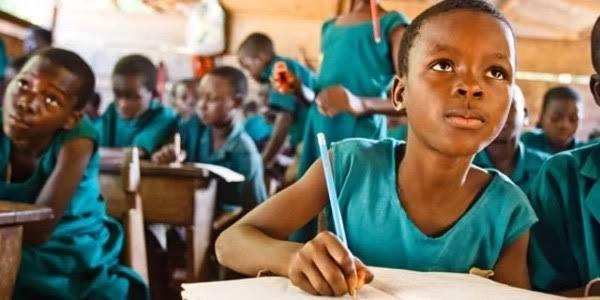
A provocative new commentary from Nigerian academic Dr. Austin Orette is reframing a decades-old conversation about the country's education system. In his piece, 'Students, Cultural Imperialism And School Owners In Nigeria,' Orette argues that schools are doing more than teaching core subjects—they are actively imposing foreign cultural values, sidelining Nigerian heritage in the process.
What is 'Cultural Imperialism' in the Classroom?
Cultural imperialism, in this context, refers to the dominance of Western norms, languages, histories, and perspectives through powerful institutions like schools. Dr. Orette contends that this process subtly replaces local traditions and worldviews. For students, this could mean absorbing a narrative where their own history and cultural contributions are peripheral, raising urgent questions about preserving a distinct national identity.
The Crucial Role of School Owners
Orette's critique specifically targets school owners, a significant detail in Nigeria's educational landscape. Private schools constitute a massive sector and frequently model their curricula, administration, and even aesthetics on British or American systems. From imported textbooks to mandatory blazers, these institutions often mirror foreign standards. Orette suggests these owners are not passive providers of education but active "conduits for a cultural shift," packaging a specific value system alongside academic instruction.
The Real-World Dilemma for Families
This debate moves beyond academic theory to touch the lives of millions of Nigerian families. Parents invest in these private schools with the hope of securing a 'global edge' and better opportunities for their children. However, Orette's commentary poses a challenging question: what is the trade-off? If educational success comes at the cost of cultural disconnection—if a child can analyze Shakespeare but not Chinua Achebe—what has truly been achieved? The piece forces a societal reckoning with the unintended consequences of a globalized education market.
A Historical Echo and a Forward Look
The discussion carries historical weight, echoing post-colonial debates about knowledge and power. As Nigeria continues to define its path in the 21st century, the question of what constitutes a truly 'Nigerian' education remains pivotal. Dr. Orette's commentary adds fresh fuel to this essential conversation, challenging educators, policymakers, and parents to examine what values are being taught alongside algebra and grammar.