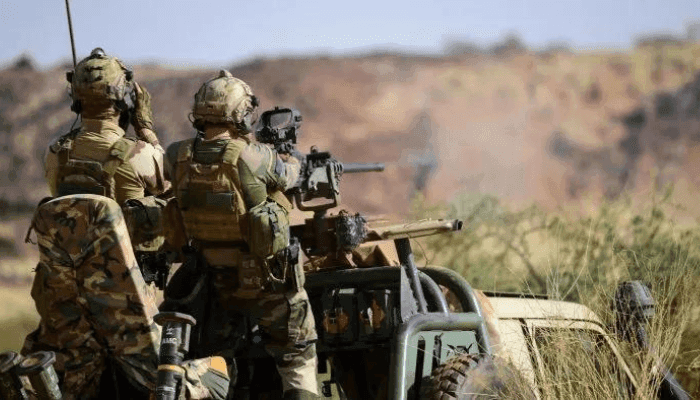
Nigerian troops have successfully reclaimed the town of Ngoshe in Borno State from terrorist control following days of sustained gun battles. This military operation represents a clear, hard-fought victory for security forces in one of the country's most volatile regions. The recapture ends a period of insurgent occupation and re-establishes a government presence in the area.
Borno State is located in northeastern Nigeria and has been the epicenter of a long-running conflict involving multiple armed groups. These groups, often referred to collectively as terrorists or insurgents, have sought to control territory and impose their rule, leading to widespread violence and displacement. Ngoshe is one of many communities caught in this struggle, where control of towns frequently shifts between the military and militant factions.
The fight for Ngoshe involved several days of direct combat, indicating a significant and determined engagement by both sides. Gun battles of this duration suggest the terrorists put up a strong defense and that the military committed considerable resources to the assault. Such prolonged clashes are typical of operations to retake populated areas, where clearing operations must be methodical to avoid civilian casualties and hidden explosives.
Reclaiming a town like Ngoshe is more than a symbolic win; it has immediate practical consequences. It allows displaced residents the potential to return, reopens roads for trade and aid, and denies terrorists a base for planning and logistics. Each town under government control shrinks the operational space available to insurgent groups, making it harder for them to move freely and sustain their campaigns.
However, history in this conflict shows that territorial gains can be fragile. Terrorist groups often employ tactics of retreat and subsequent return, launching guerrilla attacks after conventional forces have moved on. The true test of this victory will be whether the military can establish a lasting hold on Ngoshe, preventing the insurgents from filtering back in. This typically requires not just soldiers, but also police and local security arrangements to maintain stability.
The broader conflict stems from a complex insurgency that began over a decade ago. While one prominent group is Boko Haram, the term 'terrorists' in official communications can refer to that group or its offshoots, like Islamic State West Africa Province (ISWAP). These groups have fought the Nigerian state, causing a humanitarian crisis with millions displaced. Military campaigns have swung between large-scale offensives and periods of stalemate, with towns like Ngoshe often changing hands multiple times.
For the Nigerian government, successes like the retaking of Ngoshe are crucial for demonstrating progress to a war-weary public and the international community. They provide tangible evidence that the costly military strategy is yielding results. Yet, each battle also comes with risks, including potential military casualties and the danger to any civilians who remained in the town during the fighting.
The forward-looking fact for this operation is the stabilization phase that must now begin. Military engineers and civil authorities will likely work to repair damaged infrastructure, while security patrols will be intensified to secure the town's perimeter. The next key date to watch is not a single event, but the coming weeks and months, which will reveal whether Ngoshe remains under firm government control or becomes the site of renewed attacks.


