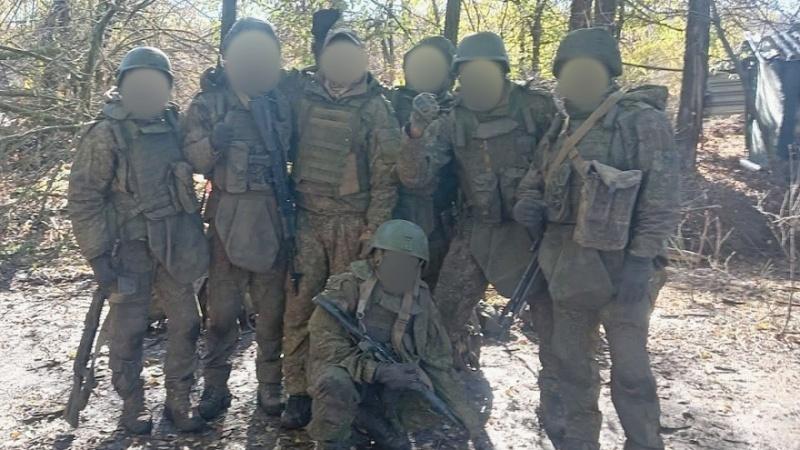
A student from Niger has been killed while serving with Russian military forces in Ukraine. This incident, confirmed by multiple sources, places a spotlight on the international fighters participating in the war. It represents a specific, documented case of a non-Russian national losing his life on the Russian side of the conflict.
The student's death is a data point in the broader trend of foreign nationals fighting for Russia. While exact figures are difficult to verify, reports have consistently indicated the presence of fighters from Africa, the Middle East, and elsewhere within Russian ranks. This case from Niger provides concrete evidence of that phenomenon extending to West Africa.
In practical terms, this means the war in Ukraine is not solely a conflict between Ukrainians and Russians. It has drawn in individuals from across the globe, often through complex recruitment networks offering financial incentives or other benefits. The death of a student suggests these networks may be targeting young people, including those from nations with limited economic opportunities.
The broader significance lies in what this recruitment reveals about Russia's military strategy and global influence. Seeking foreign fighters can be interpreted as an effort to bolster troop numbers without resorting to another domestic mobilization, which carries political risk. It also represents an export of the conflict, drawing citizens from third countries into a war that is not their own.
For the families and communities of these fighters, the consequences are deeply personal and tragic. The loss of a young student represents a human cost paid far from home, often for promises that end in death. This dynamic can have destabilizing effects in the fighters' countries of origin, where the return of traumatized veterans or the bodies of the deceased creates new social challenges.
Analytically, this incident should be viewed as part of a measurable, if shadowy, flow of personnel. While Ukraine has also received foreign volunteers, the scale and organized nature of Russia's recruitment from certain regions appear distinct. Each confirmed death, like this one, adds to the tally of this internationalized dimension of the war.
The next data point to watch will be whether this case prompts official statements or investigations from the government of Niger. A response, or lack thereof, will indicate how nations whose citizens are recruited view this practice. Further monitoring of casualty reports may reveal if this is an isolated incident or part of a larger pattern of losses among foreign fighters in Russian service.
Ultimately, the death of the Nigerien student is a single statistic in a war of grim numbers. Yet it serves as a stark indicator of the conflict's widening human geography. The key forward-looking fact is whether such incidents will multiply, prompting greater international scrutiny of the mechanisms that bring foreign nationals to the Ukrainian front lines.