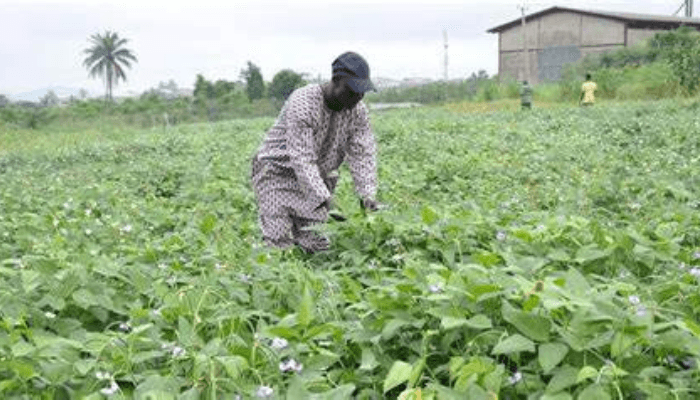
The Nigerian Meteorological Agency (NIMET) has issued a critical advisory to the nation's agricultural community, urging extreme caution against interpreting recent February rainfall as the start of the planting season.
A 'Deceptive' Signal
NIMET has explicitly characterized the showers experienced in February as 'deceptive.' The agency stresses that these isolated weather events do not mark the genuine commencement of the wet season. This warning is a direct intervention to prevent widespread agricultural failure and the subsequent economic hardship for millions of farmers.
The High Cost of Early Planting
Farmers tempted to sow seeds now risk exposing their young, vulnerable crops to an anticipated prolonged dry spell. This period of dry and hot conditions, which typically follows February rains, can cause seeds to fail to germinate or seedlings to wither and die. The result is a total loss of the initial investment in seeds, labor, and fertilizer—a devastating financial blow that would also translate to reduced harvests later in the year, impacting both food supply and farmer incomes.
Understanding Weather vs. Climate Patterns
The advisory underscores a key meteorological principle: isolated weather events should not be confused with established seasonal climate patterns. While February rains are not uncommon, they are historically unreliable. The consistent, sustained rainfall that defines the wet season and supports crop growth has not yet begun. Mistaking a few days of rain for a seasonal shift is a high-risk gamble with the year's primary food production cycle.
Practical Advice for Farmers
In practical terms, NIMET advises farmers across Nigeria's diverse agricultural belts to exercise patience. Key activities, especially the sowing of major staple crops like maize, rice, and sorghum, should be delayed. The financial logic is clear: spending resources on planting now risks a 100% loss, whereas waiting for the official season start—which NIMET will announce based on comprehensive data analysis—protects that vital capital.
NIMET's Role in Risk Mitigation
This warning exemplifies NIMET's core function: to provide data-driven guidance to mitigate climate-related risks. The agency's forecasts are based on rigorous analysis of atmospheric and oceanic data, offering a scientific basis for agricultural planning. Heeding this advice is a step toward greater resilience and food security for the nation.