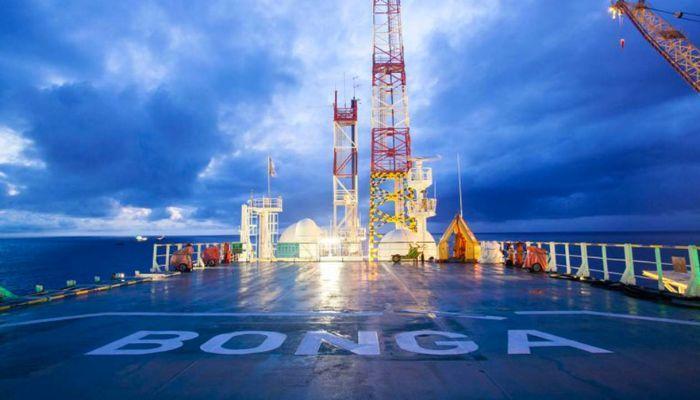
In a major move for Nigeria's energy sector, the state-owned Nigerian National Petroleum Company (NNPC) has secured presidential approval for the Final Investment Decision (FID) on the Bonga deepwater oil project. The colossal $20 billion commitment stands as one of the largest single investments in the country's oil and gas industry in recent years, marking a strategic effort to counter declining production and tap into deepwater reserves.
Aiming for a 150,000 Barrel Per Day Boost
Central to the project's justification is its expected impact on national output. Projections indicate the Bonga development could increase Nigeria's crude oil production by approximately 150,000 barrels per day. Based on recent OPEC production figures, this increase could translate to a 7-8% rise in the nation's total output, providing a significant injection for an economy heavily reliant on hydrocarbon revenue.
Contextualizing the Scale: A $20 Billion vs. $500 Million Reality
The sheer scale of the Bonga investment becomes stark when compared to other federal initiatives. Coincidentally, the government also flagged off the $500 million Sustainable Power and Irrigation in Nigeria (SPIN) Project, funded by the World Bank and aimed at boosting food production and power generation.
However, the SPIN Project's half-billion-dollar financing represents just 2.5% of the capital allocated to the Bonga deepwater venture. This disparity highlights the overwhelming financial weight still carried by the energy sector in Nigeria's investment landscape.
Parallel Tracks: Hydrocarbons and Infrastructure
While Bonga represents a deep bet on hydrocarbons, the SPIN Project, officially launched by the Minister of Water Resources and Sanitation, Engr. Joseph Utsev, in Abuja, illustrates a parallel focus on critical infrastructure. This initiative aims to address foundational constraints like food security and electricity generation, which are essential for broader economic diversification and industrial growth.
The Long-Term Bet on Fossil Fuels
The approval of the Bonga project signals a confident, long-term bet on fossil fuel demand despite mounting global pressures for an energy transition. Given the extended development timeline typical of deepwater projects, "first oil" – the commencement of production – is still several years away. This forward-looking investment underscores a strategic calculation that oil will remain a central pillar of the Nigerian economy and a key commodity in the global market for the foreseeable future.