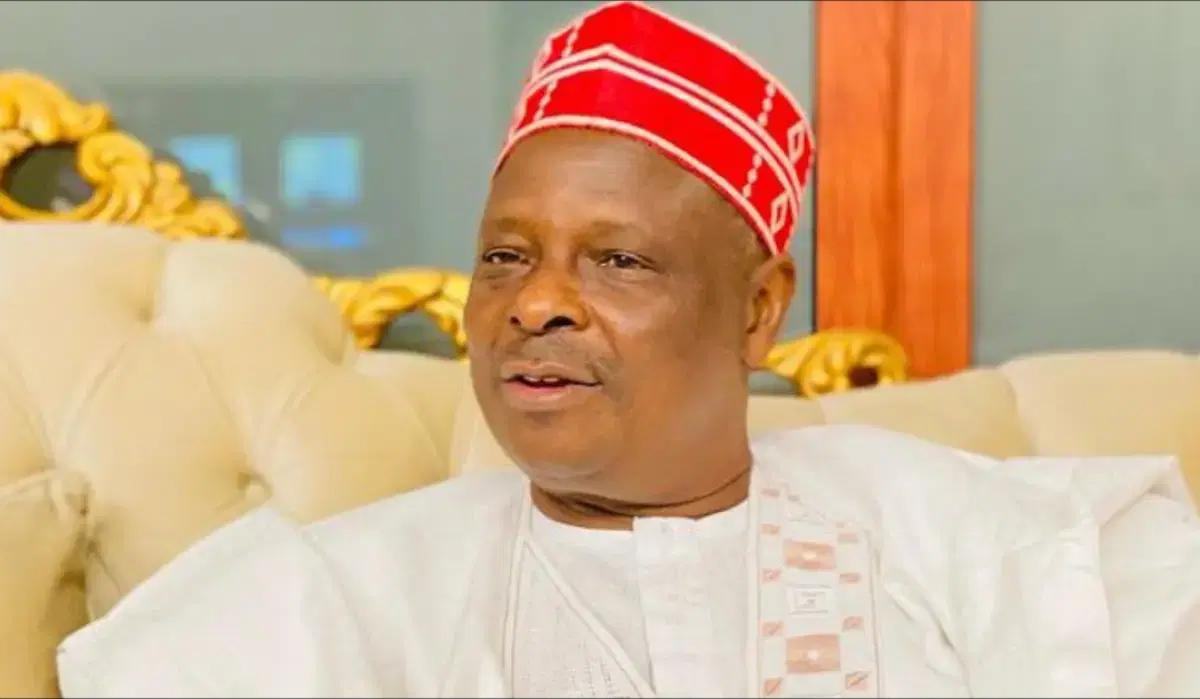
The National Working Committee of the New Nigeria Peoples Party (NNPP) has initiated an unprecedented international political maneuver. The committee confirmed on Thursday that the party has formally written to the United States Congress to defend its 2023 presidential candidate, Rabiu Kwankwaso, against severe terrorism sponsorship allegations.
This direct appeal to a foreign legislative body underscores the gravity of the accusations and the party's determination to clear Kwankwaso's name beyond Nigeria's borders. The allegations represent one of the most serious charges possible in Nigeria's current security climate, where terrorism remains a critical national concern.
The NNPP's decision to involve the US Congress suggests the party believes the allegations carry potential international implications or require external validation of their rebuttal. This move marks a significant departure from typical domestic political disputes, elevating the matter to diplomatic levels.
Concurrent Security Governance Debate
Simultaneously, a separate but equally significant conversation about Nigeria's security architecture is gaining momentum. The Commissioner of Police for Lagos State Command, Mr. Olohundare Jimoh, has publicly endorsed the proposed establishment of state police.
Commissioner Jimoh stated that creating state police would "strengthen security operations in the country" by complementing the existing Nigeria Police Force. He explained the reform is being considered as part of broader national efforts to improve security governance.
The Rationale for State Police
According to the Lagos CP, a key advantage of state police would be bringing law enforcement closer to local communities. This proximity could enhance responsiveness to incidents and improve local intelligence gathering—critical components in addressing Nigeria's diverse security challenges.
The endorsement from a senior police official adds substantial weight to the ongoing debate about decentralizing police powers, a conversation that has intensified amid varying security threats across different regions.
Intersecting Narratives
These parallel developments—an opposition party seeking international intervention for a political figure and a senior law enforcement officer advocating for structural reform—highlight two distinct approaches to addressing Nigeria's complex security and political challenges. Both stories reflect the multifaceted nature of governance and security discussions in contemporary Nigeria.


