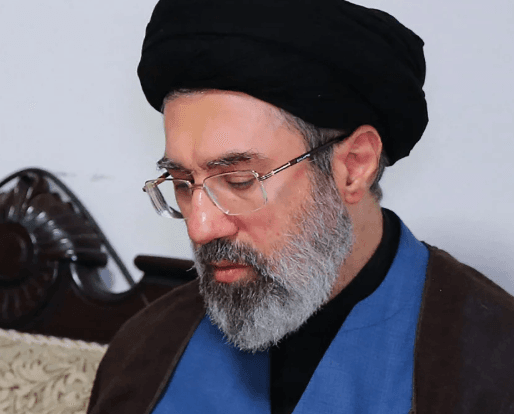
The official Korean Central News Agency (KCNA) carried a brief but pointed dispatch from Pyongyang. It conveyed North Korea's position on a pivotal leadership transition thousands of miles away, stating the country respects Iran's choice of a new supreme leader. This formal communication, though concise, represents a deliberate diplomatic signal from one of the world's most reclusive regimes.
For North Korea, such explicit endorsements of foreign leadership changes are relatively rare and carefully calibrated. The decision to publicly acknowledge Iran's new supreme leader suggests Pyongyang views the relationship as strategically significant. It is a gesture that reinforces a partnership built on shared experiences of confronting international sanctions and geopolitical pressure from the United States and its allies.
The message arrives during a period of intense global scrutiny for both nations. North Korea continues its weapons development programs in defiance of United Nations resolutions, while Iran navigates regional tensions and nuclear negotiations. By voicing respect for Iran's internal political process, North Korea aligns itself with Tehran's sovereignty at a sensitive time, offering a form of political solidarity that costs little but carries symbolic weight.
Analysts note that state media like KCNA serve as the mouthpiece for the North Korean government, meaning every published word is officially sanctioned. The choice to report on Iran's leadership, therefore, is a foreign policy statement in itself. It signals to domestic audiences and the international community where Pyongyang's diplomatic sympathies lie, reinforcing an axis of states that operate outside the Western-led order.
This diplomatic nod follows a long history of technical and military cooperation between the two countries. Both have faced extensive international sanctions over their nuclear programs, creating a natural alignment of interests. The public message of respect can be seen as an effort to maintain and strengthen these channels of cooperation, which have historically included exchanges of missile technology and expertise.
The nature of the statement—respecting Iran's 'choice'—implicitly endorses the legitimacy of the selection process within Iran's political system. This is notable given the complex, council-based mechanism used to appoint Iran's supreme leader, a position wielding ultimate authority over the state's foreign and domestic policies. North Korea's framing avoids any commentary on the process itself, focusing instead on the outcome.
Looking ahead, this public gesture may precede more substantive diplomatic or economic exchanges. While the KCNA report did not detail any planned meetings or agreements, such statements often lay the groundwork for future engagement. The leadership in Pyongyang likely calculates that reinforcing ties with Tehran provides mutual diplomatic cover and a counterbalance to their common adversaries.
The final line of the KCNA report stands alone, a simple declaration in the stark style of North Korean state media. It leaves unspoken the deeper currents of mutual interest that flow between Pyongyang and Tehran—a partnership of necessity forged in the furnace of international isolation. As both nations chart their courses under renewed leadership, this exchange of diplomatic courtesies reminds observers that their alliance remains a fixed point on the geopolitical map.


