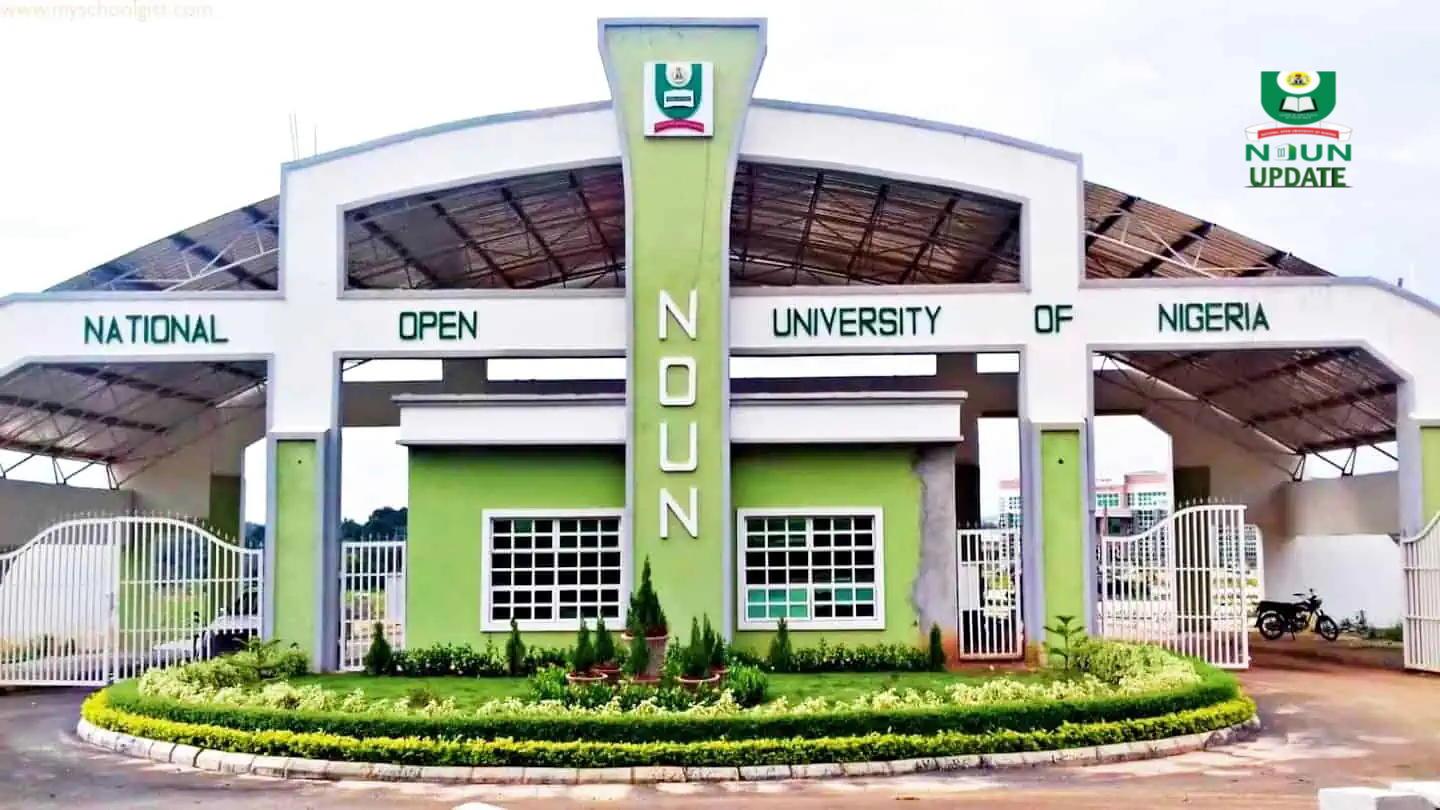
The journey for over 4,000 law graduates from the National Open University of Nigeria (NOUN) to be called to the Bar is entangled in the institution's complex legislative and historical past. The National Assembly amended the National Open University Act in 2017, a crucial step meant to address the legal status of its programmes. This amendment received former President Muhammadu Buhari's assent in 2018, yet the full implementation for law graduates remains a pressing issue. This delay highlights systemic challenges in aligning educational innovation with professional regulatory frameworks.
NOUN's own history is a tale of resilience, having been established in 1983 by then President Shehu Shagari only to have its operations suspended on April 25, 1984, by the Major-General Buhari-led military junta. The university lay dormant for years until it was resuscitated on April 12, 2001, by former President Olusegun Obasanjo. It finally took off fully on October 1, 2002, marking a new chapter for open and distance learning in Nigeria. This stop-start existence underscores the vulnerability of educational institutions to political shifts and policy changes.
Meanwhile, the broader Nigerian education sector is under severe economic pressure. The difficult economic situation has pushed many families into a tight financial corner, forcing parents to pull their children out of private schools. Frustration over the rising cost of education, exacerbated by the removal of fuel subsidies and increased transportation costs, has led many to move their children to public institutions. For some families, education has come to a complete halt due to the unaffordable costs of books, uniforms, and additional fees.
This financial strain is altering the life trajectories of young Nigerians. Some parents are pushing their children into the workforce prematurely due to the high cost of living. Consequently, many children are now taking on roles as breadwinners by hawking goods or working in local factories. This trend represents a significant setback for educational attainment and youth development, as families are forced to prioritise immediate survival over long-term investment in learning.
The challenges for Nigerian youth extend beyond the classroom into a precarious job market. The International Labour Organization (ILO) has raised serious concerns over a deepening youth employment crisis. Millions of young people are grappling with unprecedented levels of stress and uncertainty linked to job insecurity and limited access to social protection. Disproportionately, young people are entering the labour market through temporary, part-time, or self-employment roles that often lack adequate social security coverage.
In a related development concerning workers' welfare, the Federal Government and public sector unions have reached a breakthrough agreement over long-outstanding wage awards and deductions owed to federal workers. The turning point came after intense negotiations on Monday, March 2, between government representatives and the Trade Union Side of the Joint National Public Service Negotiating Council (JNPSNC), alongside top officials of the Nigeria Labour Congress (NLC). Labour leaders had earlier issued a February 27 ultimatum demanding the immediate release of funds, highlighting the persistent tensions over public sector compensation.
The high-stakes meeting featured key figures from both sides. Representing the government were the Minister of Finance and Coordinating Minister of the Economy, Wale Edun; the Minister of Labour and Employment, Muhammad Maigari Dingyadi; and the Permanent Secretary of the Federal Ministry of Labour and Employment, Dr. Salihu Usman. On the labour side were the National Deputy President of the NLC, Kabiru Ado; the NLC General-Secretary, Emmanuel Ugboaja; the National Secretary of the JNPSNC, Olowoyo Gbenga; and the National Treasurer of the JNPSNC, Mrs. Roselyn Uba Anarah, among other leaders.
These interconnected issues—from the professional limbo of NOUN graduates to the economic pressures forcing children out of school and into work, and the government's wage negotiations—paint a picture of a nation grappling with foundational challenges in education, labour, and social protection. The story of NOUN's law graduates is not an isolated one but a symptom of broader systemic hurdles that affect millions of Nigerians seeking advancement through education and secure employment in a challenging economic climate.