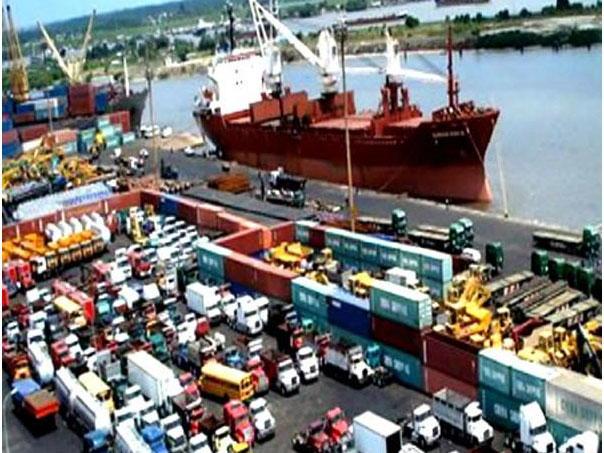
The Nigerian Ports Authority (NPA) has released a significant operational report indicating a substantial rise in cargo movement across the nation's ports. Data shows cargo throughput surged by 24.8 percent, reaching a total volume of 129.3 million metric tons.
This figure represents the total weight of goods handled—including imports, exports, and transshipments—across all NPA-controlled facilities, from Lagos to Onne to Calabar.
Understanding the Surge
A throughput of 129.3 million metric tons suggests ports are processing far higher volumes of containers, bulk cargo, and general goods than previously. The 24.8 percent increase is a notable double-digit jump, often signaling a strong recovery or expansion phase in port operations. It implies possible improvements in port efficiency, reduced congestion, and increased vessel calls.
Economic Implications
Increased port throughput is a key indicator of trade performance and economic vitality. Higher import volumes can reflect rising domestic consumer and industrial demand. In contrast, increased export volumes would point to stronger external sales of Nigerian products—from agricultural goods to manufactured items.
For the average Nigerian, this could eventually translate to more goods on shelves, potential price stabilisation for imported items, and job creation within the logistics and maritime sectors. However, sustainability remains a critical question.
Operational Realities
Handling an additional 24.8 percent of cargo presents both opportunities and challenges for the NPA and concessionaires. While it indicates growing activity, it also tests infrastructure, administrative efficiency, and the much-discussed issue of port congestion. The data is a promising sign, but continuous investment and reform are essential to maintain this momentum.
This surge positions Nigeria's ports as increasingly active hubs within global and regional trade networks, offering a tangible metric for the country's post-pandemic economic trajectory.