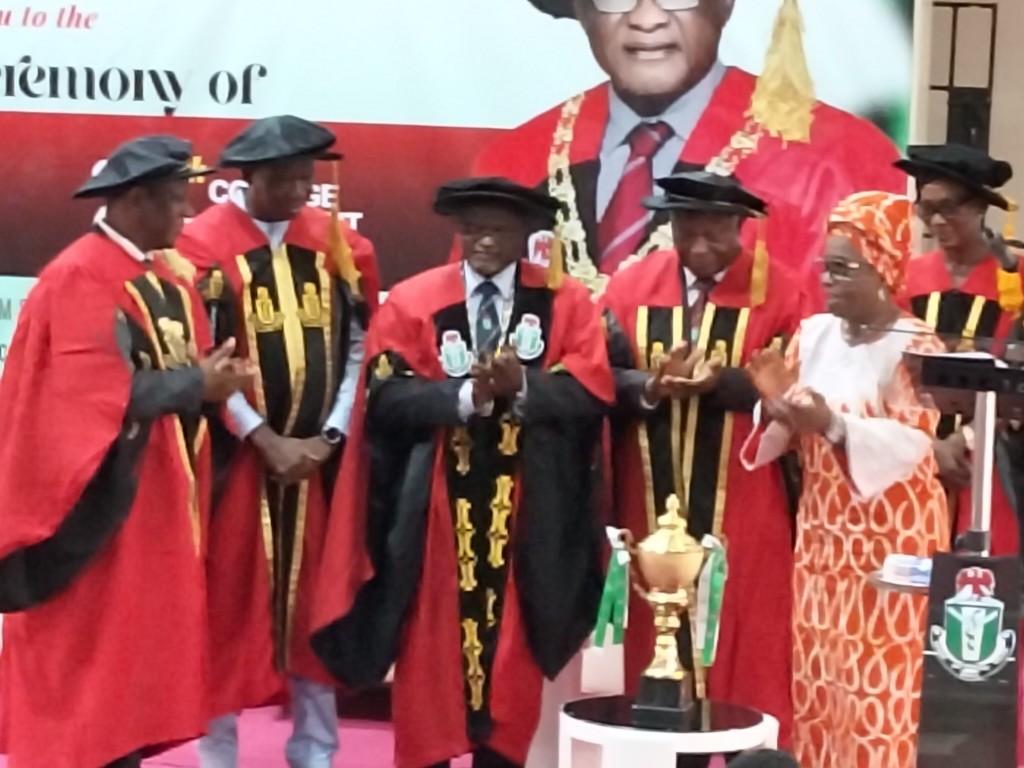
The newly installed President of the National Postgraduate Medical College of Nigeria (NPMCN) has announced a comprehensive reform package aimed at strengthening specialist medical training across the country. This marks the first major policy direction from the college's new leadership and signals a significant shift in Nigeria's approach to postgraduate medical education.
The Scope of the Reforms
While specific details are still emerging, the announced overhaul is expected to review core components of specialist training. This includes updating curricula, modernizing examination processes, and revising practical training requirements. The goal is to align Nigeria's medical postgraduate standards with international best practices.
Why This Matters Now
The reforms come at a critical juncture for Nigeria's health sector. The nation faces a dual challenge: a persistent shortage of medical specialists and the ongoing emigration of trained doctors, often referred to as the 'brain drain.' By strengthening domestic training programs, the NPMCN aims to build a more resilient and self-sufficient healthcare workforce. Effective postgraduate training is the bedrock for producing the high-caliber consultants needed in teaching hospitals and tertiary care centers.
Potential Impacts and Challenges
Successful implementation could enhance the global recognition of Nigerian medical qualifications, potentially making domestic practice more attractive and slowing the outflow of talent. However, the success of these reforms hinges on effective execution. The NPMCN will need to foster close collaboration with the Medical and Dental Council of Nigeria (MDCN) and secure buy-in from examiners and faculty across its various specialties. Rolling out consistent changes across the network of accredited teaching hospitals will be a key logistical challenge.
Looking Ahead
For current and future medical graduates, these changes could mean a more robust and internationally competitive training pathway. The move underscores a strategic priority to invest in home-grown expertise as a cornerstone for a stronger Nigerian healthcare system. The coming months will be crucial as the college transitions from announcement to actionable policy.


