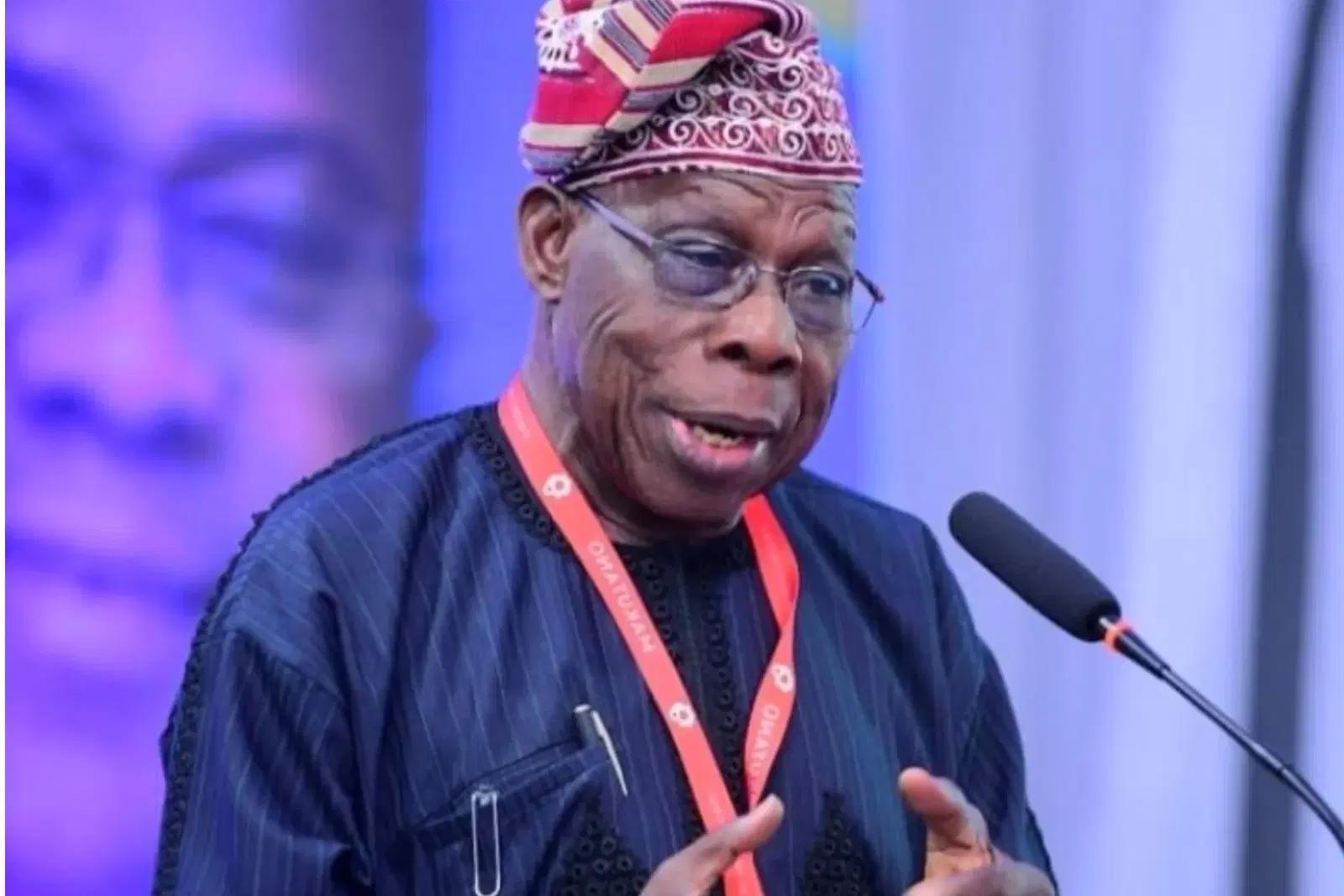
Former Nigerian President Olusegun Obasanjo marked his 89th birthday on Wednesday, describing the occasion as a moment of gratitude to God. The event, which drew a significant gathering of dignitaries, also served a dual purpose as a graduation ceremony. Ten principals and vice-principals from Ogun State and Oyo State completed a three-month training programme in School Leadership and Management at the institute, highlighting an educational component to the celebration.
The birthday celebration attracted a notable cross-section of Nigeria's political elite, underscoring Obasanjo's enduring influence. Dignitaries in attendance included Ogun State Governor Dapo Abiodun and his deputy, Noimot Salako‑Oyedele, alongside former presidential candidates Rabiu Musa Kwankwaso and Peter Obi. Also present were former Ogun State governors Gbenga Daniel and Ibikunle Amosun, as well as political economist Pat Utomi, among others. The presence of such figures from across the political spectrum reflects the broad respect for the former head of state.
Separately, the political landscape was stirred by a significant warning from the Inter-Party Advisory Council (IPAC). The council, an umbrella body for political parties, has stated that its member parties may boycott the 2027 General Elections. This drastic action is contingent on the National Assembly failing to urgently amend key provisions of the Electoral Act 2026, a move IPAC deems critical for the integrity of future polls.
The council's position was formally communicated in a communiqué issued at the end of its General Assembly meeting held at its National Secretariat in Abuja. The document, made available to journalists, was co-signed by IPAC National Chairman, Dr. Yusuf Dantalle, and National Secretary, Barr. Maxwell Mgbudem. This official declaration elevates the threat from mere speculation to a formal, documented stance from a major electoral stakeholder, putting pressure on the legislature.
Meanwhile, a separate development involves a brewing dispute between Ondo and Ogun States over the ownership of Eba Island. The Attorney General and Commissioner for Justice of Ondo State, Dr Olukayode Ajulo (SAN), has presented historical, legal, and geographical evidence to counter recent claims by the Ogun State government. Dr. Ajulo's evidence is intended to firmly establish Ondo State's claim to the territory.
In bolstering Ondo State's claim, Dr. Ajulo referenced a solo forensic study he undertook in the United Kingdom, where he consulted the British Library, the National Archives at Kew, and other repositories of colonial records. Furthermore, he cited the Nigerian National Petroleum Corporation (NNPC) and other federal agencies, noting they have visited the island on multiple occasions and, without equivocation, recognised it as belonging to Ondo State. This introduces a layer of federal agency recognition into the interstate contention.
In a related but distinct matter of governance, the Commissioner of Police for the Lagos State Command, Mr Olohundare Jimoh, has voiced support for the proposed establishment of state police. He stated that such a move would strengthen security operations in the country and complement the work of the Nigeria Police Force. Mr. Jimoh made these remarks while briefing newsmen on Thursday at the Police Officers’ Mess in Ikeja, Lagos, adding a security dimension to the week's discussions on federal structure and authority.
The confluence of these events paints a picture of a nation grappling with legacy, political reform, territorial jurisdiction, and security architecture. From a former president's reflective celebration and the training of educators, to stark warnings about electoral participation and legal battles over land, the narratives highlight both continuity and contention in Nigeria's public affairs. The support for state police from a senior officer further indicates ongoing debates about the structure of national governance and security.