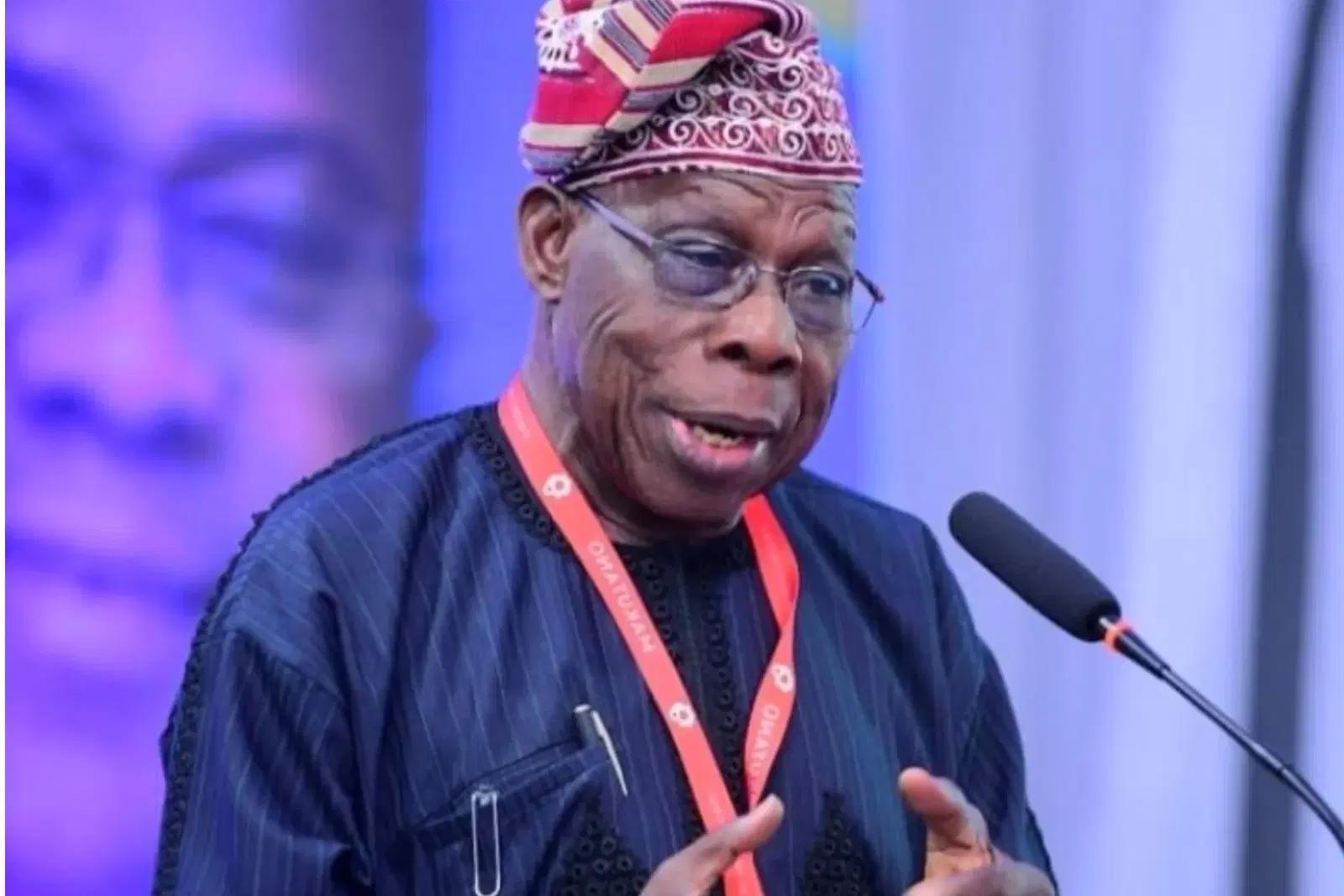
Former Nigerian President Olusegun Obasanjo has publicly framed his past imprisonment as a direct consequence of taking a principled stand. This statement, while brief, carries significant weight given Obasanjo's unique position in the nation's history. It invites a deeper look into the personal costs borne by leaders during periods of political upheaval in Nigeria.
Obasanjo's reference to his imprisonment points to a specific chapter in his life, widely known to be during the regime of the late General Sani Abacha. His incarceration from 1995 to 1998 followed allegations of plotting a coup, a charge many observers and historians have contested over the years. By calling it the price of a principled stand, Obasanjo is implicitly challenging the official narrative of that era and asserting his actions were driven by conviction.
The context of this statement is crucial for understanding its resonance. Olusegun Obasanjo is a former military head of state who later became a democratically elected civilian president, serving from 1999 to 2007. His career has been marked by both immense power and severe persecution, making his reflections on sacrifice particularly poignant. For many Nigerians, his life story mirrors the nation's own struggle between authoritarian rule and democratic aspiration.
This assertion matters because it contributes to the ongoing national conversation about leadership, sacrifice, and political history. In a country where many past leaders face complex legacies, Obasanjo's framing positions his suffering as a badge of honor rather than a mark of disgrace. It is a narrative that seeks to solidify his image as a leader willing to endure personal hardship for his beliefs, a quality often demanded but rarely demonstrated in full.
The statement also serves as a historical marker, reminding the public of a period when dissent could lead to severe punishment. During the Abacha years, several prominent figures were detained, and Obasanjo's experience was among the most high-profile. His reflection today underscores how that era of repression continues to shape the political consciousness and personal narratives of those who lived through it.
For younger Nigerians who did not witness the 1990s, Obasanjo's comment provides a teachable moment about the nation's recent past. It highlights that the democratic freedoms enjoyed today were preceded by a struggle where key figures paid a heavy price. Understanding this context is vital for appreciating the fragility of democratic institutions and the value of principled opposition.
While Obasanjo's claim is a personal reflection, it inevitably invites scrutiny and diverse interpretations. Some may view it as a justified account of his resistance, while others might debate the specific principles he stood for at the time. This ambiguity is part of Nigeria's rich and contested political discourse, where historical events are constantly re-evaluated through new lenses.
Ultimately, Obasanjo's brief statement opens a window into the enduring themes of courage, consequence, and legacy in Nigerian politics. It is a reminder that the path of leadership is often fraught with personal risk, and that history's judgment can turn on how those sacrifices are framed and understood by future generations. His words add another layer to the complex tapestry of Nigeria's journey toward stable governance.


