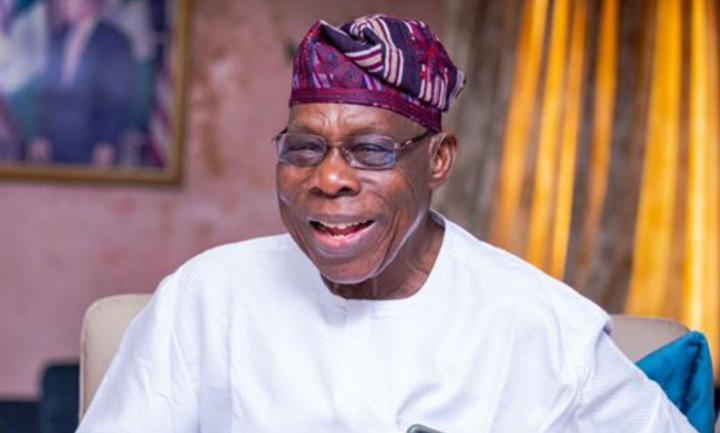
The enduring diplomatic influence of former Nigerian President Olusegun Obasanjo has been highlighted once again, receiving public praise from a senior envoy and a former Chief of Defence Staff for his championing of African unity and regional cooperation.
The Weight of the Praise
The commendation, as reported, originates from figures with significant standing in the spheres of regional security and international relations. While the specific individuals were not named, such endorsements typically carry institutional weight, often representing governmental or intergovernmental bodies focused on stability and integration. This acknowledgment serves to validate Obasanjo's longstanding approach to resolving continental disputes through dialogue and collective action.
A Career Defined by Mediation
Olusegun Obasanjo's political career, spanning his tenure as a military ruler (1976-1979) and a civilian president (1999-2007), has long been intertwined with Pan-African diplomacy. His post-presidency has been particularly defined by active shuttle diplomacy and peacebuilding. He has been instrumental in mediating conflicts in nations including Sudan, the Democratic Republic of Congo, and Côte d'Ivoire. Furthermore, his advocacy played a role in the foundational period of the African Union (AU), which succeeded the Organization of African Unity.
The Context of Continental Challenges
The praise arrives at a time when the goals of African unity and deeper regional cooperation continue to face significant hurdles, from political instability and security concerns to economic disparity. Proponents of Pan-Africanism argue that stronger collective institutions are not just symbolic but essential for addressing these transnational issues effectively. Obasanjo's recognized work fits squarely within this broader historical and political context—the pursuit of African solutions to African problems, often emphasizing economic integration and political solidarity as twin pillars for sustainable development.
An Enduring Voice
The fact that a former military chief is among those lauding Obasanjo is particularly notable. It bridges the often-separate domains of defense and diplomacy, suggesting a recognition that lasting security is built on a foundation of political cooperation and economic partnership. As the continent navigates complex challenges, the endorsement signals that Obasanjo's vision for a unified, collaborative Africa continues to find a receptive audience among current and former leaders shaping the region's future.